
Industry Insights
Full-Grain, Split, and Bonded Leather: Choosing for Sneakers
Full-grain, split, and bonded leather compared for sneakers—how each grade looks, wears, and prices, and how to spec leather properly.
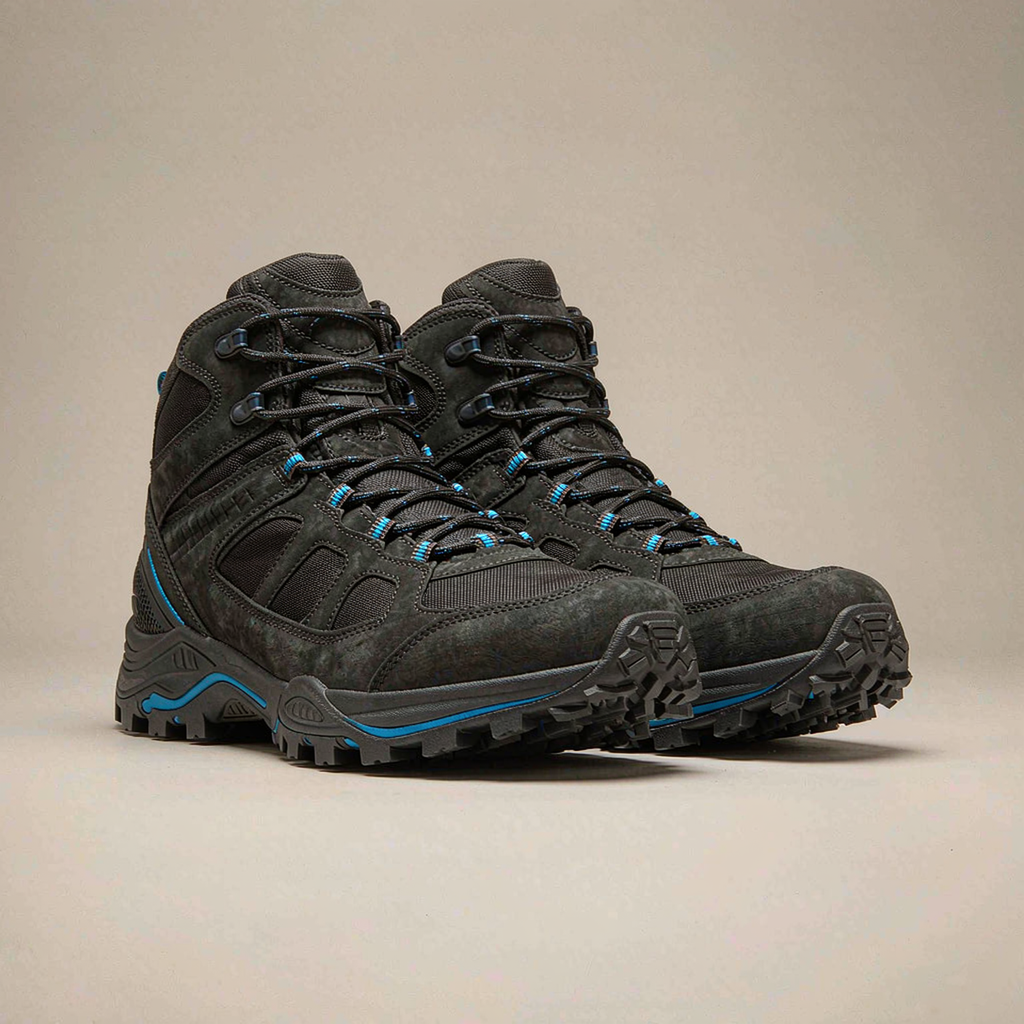
# Full-Grain, Split, and Bonded Leather: Choosing for Sneakers
"Leather" is the least informative word in a sneaker spec. Under that single word sit grades with completely different looks, lifespans, and price tags—full-grain, top-grain, split, and bonded leather—plus an entire parallel universe of synthetic leathers that mimic them. Brands that specify "leather upper" discover at the sample round that the factory's version of leather and theirs differ by a multiple of cost and several years of wear. This guide separates the grades, explains what each does on a sneaker, and shows how to write a leather spec a factory can quote honestly against.
The Grade Ladder, Explained Simply
Leather grading follows the structure of the hide. A hide has layers: the outer surface (the grain), the corium beneath it, and the flesh side. How a hide is processed decides its grade:
Full-grain leather keeps the hide's outer surface intact—pores, growth marks, and all. It is the strongest, most breathable layer, and it ages with a patina rather than peeling. On sneakers it reads premium immediately: visible grain, natural variation, scuffs that heal into character. The costs: higher material price, natural shade variation between hides (which is a feature your QC must treat as a range, not a defect), and fewer color options than corrected leathers.
Top-grain leather has the outermost surface lightly sanded and finished to remove imperfections. It is more uniform in color and grain, slightly less breathable, and noticeably cheaper than full-grain. Most "premium" lifestyle sneakers actually wear top-grain; it is the pragmatic default that balances look, consistency, and cost.
Split leather is the corium layer split off from the grain—structurally weaker, fuzzier, and usually given an embossed or coated surface to imitate grain. It is the budget leather of the industry: a genuine leather fiber content at a fraction of the price, with a shorter aesthetic lifespan. On sneakers it appears in mid-price models and in hidden panels of premium ones.
Bonded leather is leather fiber scraps bonded with adhesives into sheets. It is the bottom of the ladder—low cost, low strength, prone to cracking and peeling at flex points. On footwear it generally should not be on load-bearing panels; brands that use it on quarter panels or heel counters meet returns.
Grade / Surface / Look on a sneaker / Aging behavior / Relative cost
• Full-grain — Natural, intact grain — Rich, visibly natural — Develops patina; scuffs blend — Highest
• Top-grain — Lightly corrected, finished — Uniform, clean — Even wear; may show finish wear — High
• Split — Embossed or coated corium — Consistent, flatter — Coating can crack at flex zones — Mid
• Bonded — Reconstituted fiber sheet — Flat, painted look — Prone to peel and crack — Lowest
The Synthetic Parallel Universe
No guide to sneaker leather is honest without the synthetics, because many of the best-looking "leather" sneakers of the last decade wore none. PU-based synthetic leathers (often called "vegan leather" in marketing) come in a quality ladder of their own, driven by coating thickness, backing fabric, and embossing quality. Cheap PU peels and cracks at flex points within months; premium PU performs for years and photographs beautifully. Our PU leather grades guide covers that ladder in detail.
The strategic choice for a small brand is not "leather versus synthetic" but matching material to panel function: full-grain or premium PU on visible, load-bearing panels; split or standard PU on hidden or low-stress panels. Mixing grades by panel position is exactly how established brands hit price points without visible quality loss—and it is a completely normal request to make of a factory.
What Each Grade Costs You Beyond Price
The invoice price is only the first cost. Each grade carries operational weight:
• Full-grain: shade variation between hides means color approval works in ranges, cutting efficiency is lower (natural imperfections get cut around), and cutting tables need experienced hands. Batch-to-batch consistency requires tighter supplier relationships.
• Top-grain: the easiest premium leather to run—uniform, predictable cutting, stable color. This is why it dominates mid-to-premium production.
• Split and bonded: low material cost, but higher return risk if used on the wrong panels, and a flattening brand story if customers discover it. Some markets also care about "genuine leather" claims having legal definitions—another reason panel-level honesty in specs matters.
Writing a Leather Spec That Holds
A workable leather spec line contains:
1. Grade and animal — e.g., "cow full-grain, aniline finish" or "cow top-grain, corrected."
2. Thickness range — in millimeters; sneaker uppers commonly sit in a 1.2–1.8 mm band depending on panel.
3. Finish and color — with a physical swatch as the master, not a photo.
4. Panel map — which grade goes on which panel of the upper.
5. Physical requirements — flex endurance at the vamp, colorfastness, and any coating requirements, expressed as agreed test methods if/when agreed between buyer and supplier.
6. Approval basis — the golden sample's panels are the physical anchor; bulk must match.
The panel map is the part that saves money. A spec that says "full-grain vamp and eyestay, split quarter panels, PU lining" invites a precise quote; "leather upper" invites a quote for whatever protects the supplier's margin.
Matching Grade to Price Point
A useful alignment, not a rule:
• Entry line: split leather on visible panels or quality PU throughout; durability honesty matters more than grade names.
• Mid line: top-grain on visible panels, split or PU in hidden zones—the workhorse configuration of the industry.
• Premium/flagship: full-grain on visible panels, with the patina story told in your product copy. Priced accordingly; full-grain material costs support premium positioning.
When quotes come back, compare them panel-by-panel, not as a single "leather" number. Our sneaker development cost guide shows how material choices cascade into unit costs.
Choosing Leather with a Manufacturing Partner
Leather sourcing runs through tanneries and their regional distributors, and the Fujian belt has deep leather supply channels—plus a strong synthetic-leather industry next door. We walk the sample tables, compare hides and synthetics against your panel map, check thickness and flex behavior on physical swatches, and hold bulk leather to the approved samples before cutting. Our how to develop a sneaker guide shows where material selection sits in the full development sequence.
On minimums: "MOQs depend on the product and factory. Tell us what you need and we confirm what is realistic before you commit to anything."
FAQ
Is full-grain leather always the best choice for sneakers? It is the best choice when the product story and price support it—visible premium panels, patina development, long life. For mid-price lines, top-grain delivers most of the look with better consistency and cost, and split or quality PU serves hidden panels well. The right question is which grade each panel deserves, not which grade is "best."
Why does my leather sneaker look different from the product photo? Natural leathers vary in grain and shade between hides; photos also flatten texture. Full-grain especially shows natural variation—that is its character, not a defect. Spec color as an approved range against physical samples, and set buyer expectations in product copy rather than promising photographic uniformity.
What is the difference between top-grain and split leather? Top-grain is the hide's corrected outer surface—uniform, durable, and the industry's premium-look default. Split is the corium layer beneath the grain, structurally weaker and typically embossed or coated to imitate grain. Splits cost less and serve hidden or low-stress panels well, but age less gracefully on visible panels.
How do I stop bonded leather from peeling? You mostly cannot—bonded leather's adhesive matrix is prone to cracking at flex zones. The fix is positional: keep bonded material off load-bearing and high-flex panels, or replace it with split leather or quality PU at those positions. If bonded material is already in bulk, inspect the flex zones before shipment and grade accordingly.
