
Industry Insights
Sizing and Fit: Why the Same Size Fits Differently Across Factories
A size is a label on a last, and lasts differ across factories. How to define, test, and spec the fit your sneaker actually ships with.
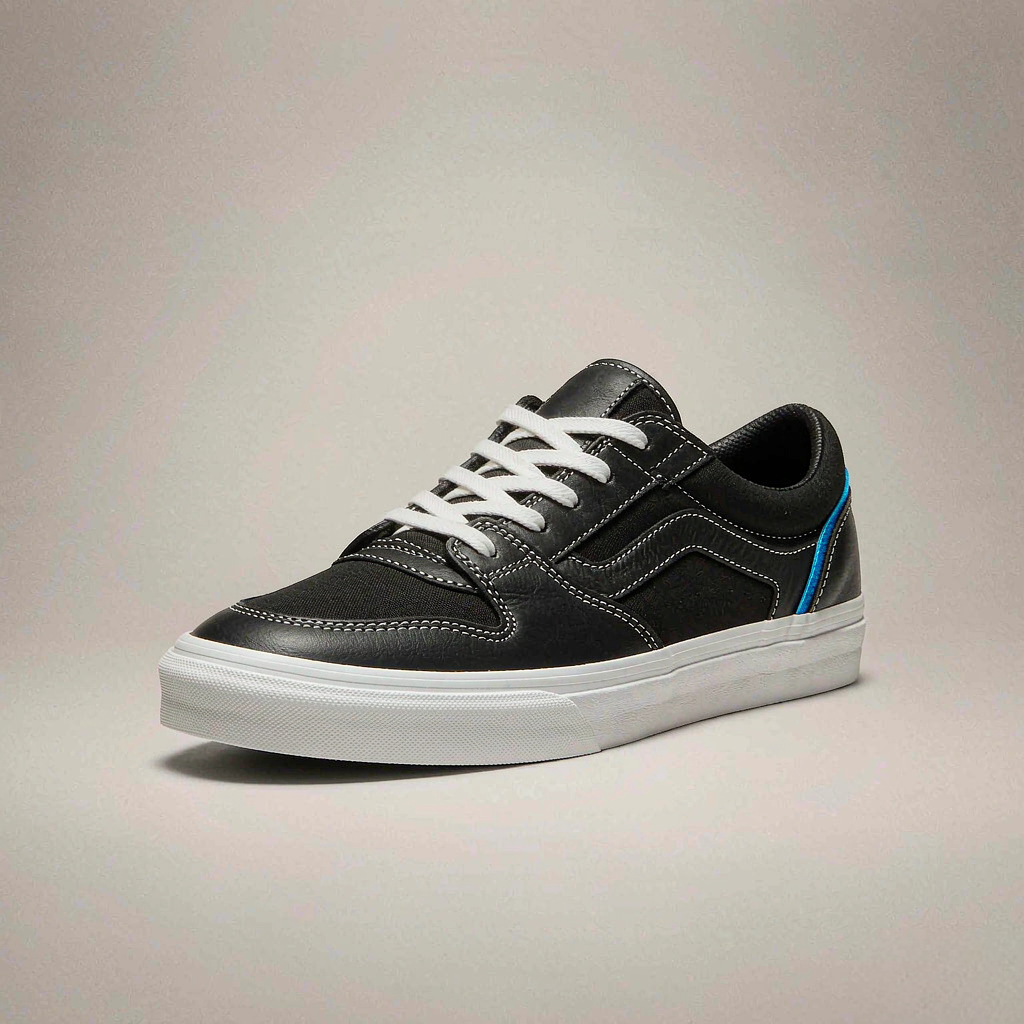
# Sizing and Fit: Why the Same Size Fits Differently Across Factories
Every independent brand learns the same review pattern eventually. Five stars for the design, one line about sizing: "I always wear a US 9, but these run big." Nothing is defective. No pair is mislabeled. Two factories can build faithfully to the same nominal size and produce shoes that fit differently — because a size is not a physical constant. It is a label placed on a last, and every factory's lasts differ in length, width, toe-box volume, heel width, and instep height.
For a brand developing its own sneaker, that is not a loophole in the system. It is the system. Sneaker sizing development is something you decide, spec, and test — not something you inherit because the label says 9.
Why the Same Size Isn't the Same Shoe
Start with the labels. Sizing systems do not agree with each other: US, EU, UK, CM, and JP all measure different things, and conversions between them are approximate at best. Add men's, women's, and kids' scales, and "a 42" stops meaning one thing even within a single drop.
Then comes the form the shoe is built on — the last. Even two lasts labeled the same size can differ in the places that decide how the shoe feels: overall length, forefoot width, toe-box volume, heel width, instep height, and arch. Sizes are graded in steps from a base size, and each factory chooses its own base and its own steps. Change either and the same nominal size fits like a different shoe.
None of this is anyone cutting corners. It is geometry plus habit, and it is why fit has to be specified like any other design requirement.
Where Fits Actually Diverge
Most fit complaints trace back to one of five zones. Each one can be written into your spec.
Fit zone / What typically changes it / What to put in your spec
• Length and toe room — Last length, toe spring, construction at the toe — Target internal length per size; a toe-room comment with the intended sock
• Width and forefoot — Last width, upper material stretch — A width note, and whether the upper relaxes with wear
• Heel hold — Heel curve of the last, collar padding, lining — A heel-grip comment; testers report slip; adjust during development
• Instep and volume — Last height, tongue, closure system — Pressure comments for higher insteps; how snug the entry should feel
• Underfoot feel — Sockliner and footbed, arch support — The footbed spec, and a note on how it changes size perception
The spec matters because it turns vague feedback into changes a last can make. "It feels tight" cannot be acted on; "pressure across the instep at US 10" can.
Running a Fit Trial That Means Something
Fit is measured by wearing, not by assumption. A workable trial looks like this:
1. Define the target foot. Who is this shoe for, what sock will they wear, and what will they do in it — walk, stand, skate, commute? Fit is relative to use.
2. Recruit real testers across sizes. Not just your own feet, and not just one person. Include at least one wider and one narrower foot than your own.
3. Test in use, not in hand. Walk and stand. Many fit problems appear after minutes, not seconds.
4. Collect comments by zone. A simple form — length, width, heel, instep, overall — turns opinions into patterns.
5. Keep a reference shoe. A pair everyone involved can try on side by side turns "snug" into something comparable.
6. Lock fit before tooling is confirmed. After lasts and patterns are frozen, changes ripple through everything.
One caution: be skeptical of any rule that starts with "sneakers always run small." Fit questions are answered by your last, your spec, and your testers — not by folklore.
Fit Decisions That Cost Money
Every fit ambition has a price, and this is where honesty saves budgets.
• Widths and half sizes multiply SKUs. More combinations mean more minimums, more inventory, and more size risk.
• A new last costs more than a stock last, and a modified stock last sits between the two. The trade is exclusivity and precision against tooling money.
• Grading decisions compound. How you step between sizes decides what the middle of your range feels like before a cutter touches anything.
A fit that tries to serve every foot perfectly serves none of them well. The better play for a new brand: choose a clear target foot, get that fit right, and communicate honestly to the feet outside it. And on the volume side, the same answer applies here as everywhere: "MOQs depend on the product and factory. Tell us what you need and we confirm what is realistic before you commit to anything."
What Your Customer Sees
Fit lives or dies in communication. Two customers buy the same shoe and get opposite results if one reads the sizing chart and the other guesses.
• Publish an internal-length chart in centimeters, not just a US or EU label; that is the measurement your factory can actually confirm.
• Write a fit note per style — runs snug through the instep, true to size in length — and keep the language consistent.
• Keep sizing consistent across drops. Same last, same fit; if a new style changes it, say so.
• Read reviews by zone, the way your testers report, so feedback turns into spec changes instead of alarm.
Consistency beats perfection. A fit that is slightly unusual but reliably repeatable, and honestly described, builds more trust than a swing between seasons that customers have to re-learn each time.
How We Handle Fit Across Factories
GlobalSala is a footwear development and manufacturing partner based in Quanzhou, Fujian, working across the region's factory belt. Fit is one of the first conversations we push, not the last: which last a design will run on, what the internal length actually is, how testers describe the zones, and what your run size can carry in sizes and widths.
If you are comparing factory options, our guide to shoe manufacturers in Quanzhou covers how the cluster is organized. For how minimums behave when your size run multiplies, read how MOQs work in Jinjiang.
FAQ
Why do the same size sneakers fit differently from different factories? Because the size is a label applied to a last, and lasts differ. Length, width, toe-box volume, heel width, and instep height all vary between factories, and grading steps start from different base sizes. Two brands can both sell a true-to-label size 42 that feels like two different shoes.
Should a new brand use a stock last or develop its own? Stock lasts are faster and cheaper; a custom or modified last gives you a fit you own and can repeat. Many brands start on a stock or modified last, prove the silhouette sells, then move to a custom last when fit becomes part of the brand promise.
How many sizes should a first run include? As few combinations as your market allows. Every size and width multiplies minimums and inventory risk. Most first drops run a focused size range, then extend once sell-through shows where demand actually sits.
How do I communicate sizing to customers honestly? Publish an internal-length chart in centimeters, add a fit note per style, and keep sizing consistent across drops. Honesty about fit — including where a shoe runs snug — prevents returns better than any marketing language.
If you want this applied to your own line, tell us what you are developing — spec to bulk, one contact.
