
Industry Insights
Beyond the Upper: Laces, Labels, and the Small Components That Define Quality
The small components on a sneaker—laces, labels, footbeds, toe puffs—how to spec each one and why they decide perceived quality.
# Beyond the Upper: Laces, Labels, and the Small Components That Define Quality
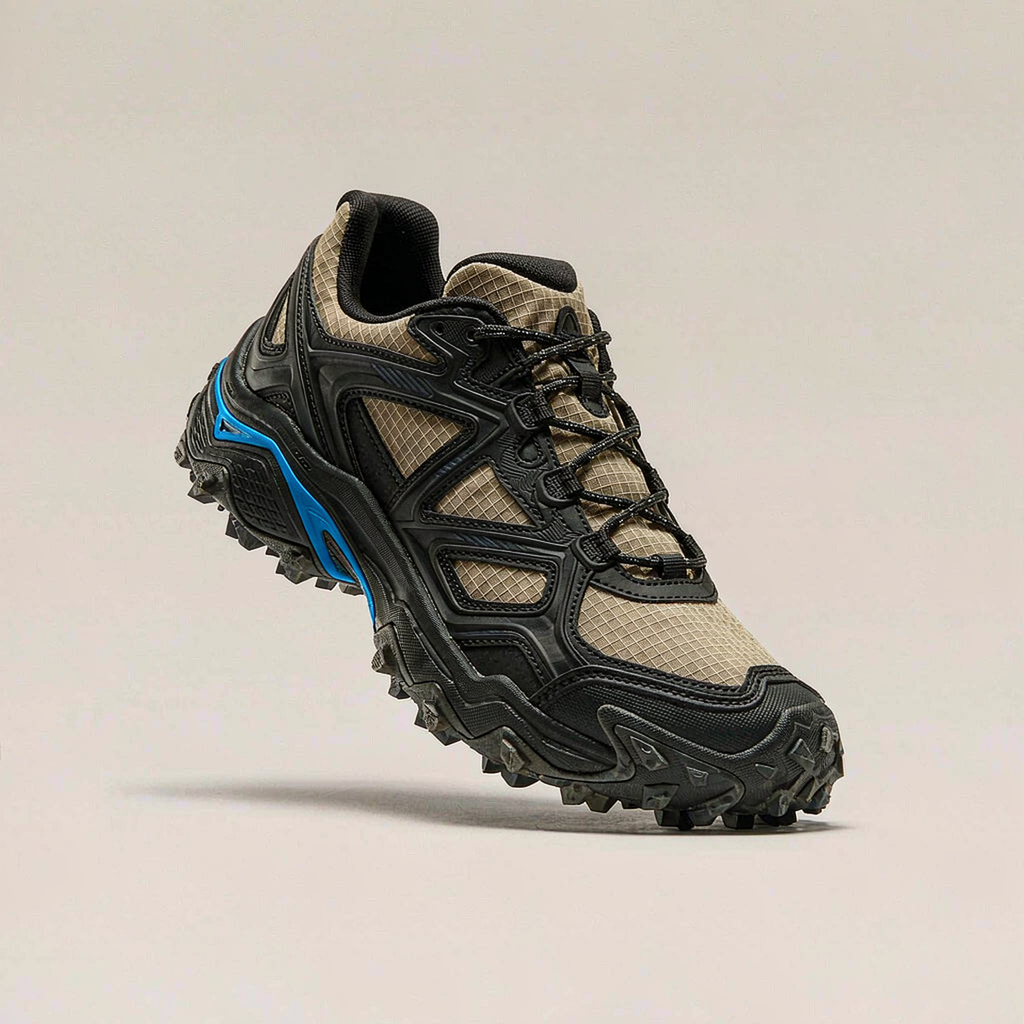
A sneaker's spec sheet usually covers the big decisions—upper material, sole construction, midsole foam—and then collapses the rest into a line or two. But the small components (laces, labels, footbeds, toe puffs, heel counters, stay tapes) are what buyers' hands actually touch first: the lace you pull, the label you read, the footbed you feel. They also happen to be where quiet substitution happens most, because "flat laces" specifies almost nothing. This guide walks the small-component list, what each one's spec should say, and why these details decide perceived quality more than their cost suggests.
The Small-Component Inventory
Component / What it does / Spec must state
• Laces — Fit adjustment; heavily touched — Type (flat/round/waxed), material, length per size, tip construction
• Footbed/insole cover — The surface under the sock — Cover material, print/emboss, shape per size
• Toe puff — Toe structure and shape retention — Material (thermo-plastic/paper/cellose), thickness, extent
• Heel counter — Heel structure — Material, stiffness grade, height
• Stay tapes and reinforcements — Panel stability — Placement map, tape type
• Woven labels — Brand and size marking — Content, placement, fold style, sew-in method
• Hangtags and care labels — Information at retail — Content per market, attachment point
• Thread — Every seam — Type and weight per seam class, color matching
The BOM line count surprises first-time brands: the components table in a real tech pack often runs longer than the materials list. That's accurate—shoes are assemblies of small decisions.
Laces: The Most-Touched Component
Laces fail in three ways, all spec-able:
• Fraying and tip separation. Cheap aglets (plastic tips) crack and shed within weeks of daily lacing. Metal tips or quality molded tips survive; specify the construction, not just "tips."
• Slippage. Slick round polyester laces loosen through the day; textured flat weaves and waxed cotton-family laces hold tension better. The choice is a design decision (round reads dressier, flat reads athletic) — but within each type, weave density and material decide whether the lace holds a knot.
• Length per size. Too-short laces can't tie; too-long laces drag. Length should be graded per size run, not one length for all — this belongs in the spec table, per size, and wrong lace length is a genuinely common first-production error.
The spec line: "Flat laces, woven polyester, X mm width, lengths per size table, molded tips, color per approved swatch." The physical reference laces live with the golden sample.
Labels: Information Meets Branding
Labels are simultaneously branding, information, and compliance:
• Woven brand labels (tongue-top, quarter panel) carry the logo—woven quality varies visibly: fine-thread weaves read premium, coarse weaves read budget. Fold style (flat, end-fold, mitred) and sew-in placement are spec decisions.
• Size and content labels must match the destination market's requirements — our labeling compliance guidance covers what must be stated and where. Size labeling must agree with the published size chart, or returns follow.
• Care labels protect both the buyer and the brand—honest care guidance reduces damage complaints, per the claims discipline throughout this site.
Label placement matters more than brands expect: a scratchy sewn-in label at the heel is a comfort complaint waiting to happen; flat-placement or printed-tag alternatives exist for exactly this reason.
Structural Components: The Hidden Skeleton
Toe puffs hold the toe box's shape. Material families (thermoplastic sheets activated by heat, paper-based, cellulose boards) trade cost, shape-hold, and breathability; thickness and extent (how far back the puff runs) decide whether the toe keeps its shape through months of wear. Under-specified puffs collapse; overspecified puffs make the toe box feel like armor.
Heel counters hold the heel cup—the same material logic, plus stiffness grade, which our lasting guidance connects to fit: counter stiffness shapes the heel grip a buyer feels from day one.
Stay tapes and reinforcement meshes do quiet structural work at stress points; the pattern making guidance treats their placement as part of the pattern package, not an assembly-line improvisation.
None of these are visible, and all of them are felt — through shape retention, heel hold, and the panel stability that decides how the shoe ages.
Footbeds: The Comfort Surface
The footbed's cover material (usually a fabric or EVA-sheet laminate), the print or emboss on it (branding opportunity), and the shape-per-size are the spec decisions. The comfort architecture underneath is its own system, covered in our insole comfort guide; the component-level point is simpler: the footbed cover is the surface a buyer touches every single wear, and it should wear, breathe, and look intentional — spec the cover like the visible material it effectively is.
Why Substitution Concentrates Here
Small components are where silent substitution thrives, for structural reasons:
1. The words specify almost nothing. "Flat laces, woven label, toe puff" are categories, not specs.
2. The cost deltas are small per pair — which makes substitution look harmless to a factory under cost pressure.
3. The differences surface after weeks of wear — past shipping, past inspection, into reviews.
The countermeasure is uniform with everything on this site: name the construction, state the tolerance, anchor to the physical reference. A laces line with type, width, graded lengths, and tip construction cannot be quietly downgraded; a one-word line invites it.
Small Components with a Manufacturing Partner
The small-components list sources through the belt's specialist suppliers — lace weavers, label houses, puff and counter sheet suppliers — and grade differences between them are real. From the Fujian belt we build the full components table into tech packs, source each line from suppliers who run the grade routinely, and check components at incoming inspection (finish, weight, function against reference) before they reach the line. The big materials get the attention; the small components get the discipline.
As always: "MOQs depend on the product and factory. Tell us what you need and we confirm what is realistic before you commit to anything."
FAQ
Why do sneaker laces fray so quickly on some pairs? Cheap aglets (the tips) crack and shed, and low-density weaves abrade through. Spec the fix: quality molded or metal tips, stated weave construction, and graded lengths per size. Lace quality is one of the most-touched surfaces on the shoe — a spec line with type, width, lengths, and tip construction can't be quietly downgraded.
What's the difference between toe puff materials? Thermoplastic sheets (heat-activated, excellent shape-hold) trade against paper-based and cellulose boards (lower cost, decent hold, more breathable). Thickness and extent matter as much as family: under-specified puffs collapse, over-specified puffs feel armored. The choice follows the shoe's price point and wear intent.
How do I stop component substitution on my orders? Name constructions, not categories: "woven label, fine-thread, end-fold" beats "brand label"; "brass eyelet, nickel-plated" beats "metal eyelet." Anchor every component line to the physical reference in the golden sample and check components at incoming inspection — substitution thrives on one-word specs and dies on specific ones.
Do labels really affect comfort and returns? Yes: scratchy sewn-in heel labels generate comfort complaints and get cut out by buyers (destroying branding); mislabeled sizes convert directly into returns when they disagree with the published size chart. Spec fold style, placement, and soft-edge materials — and keep label content consistent with each destination market's requirements.
