
Industry Insights
Upper Materials Decoded: Knit, Mesh, Leather, Suede — Matching Material to Market
Knit, mesh, leather, suede: each upper behaves differently in wear, color, and production. Match material to market before you commit to a design.
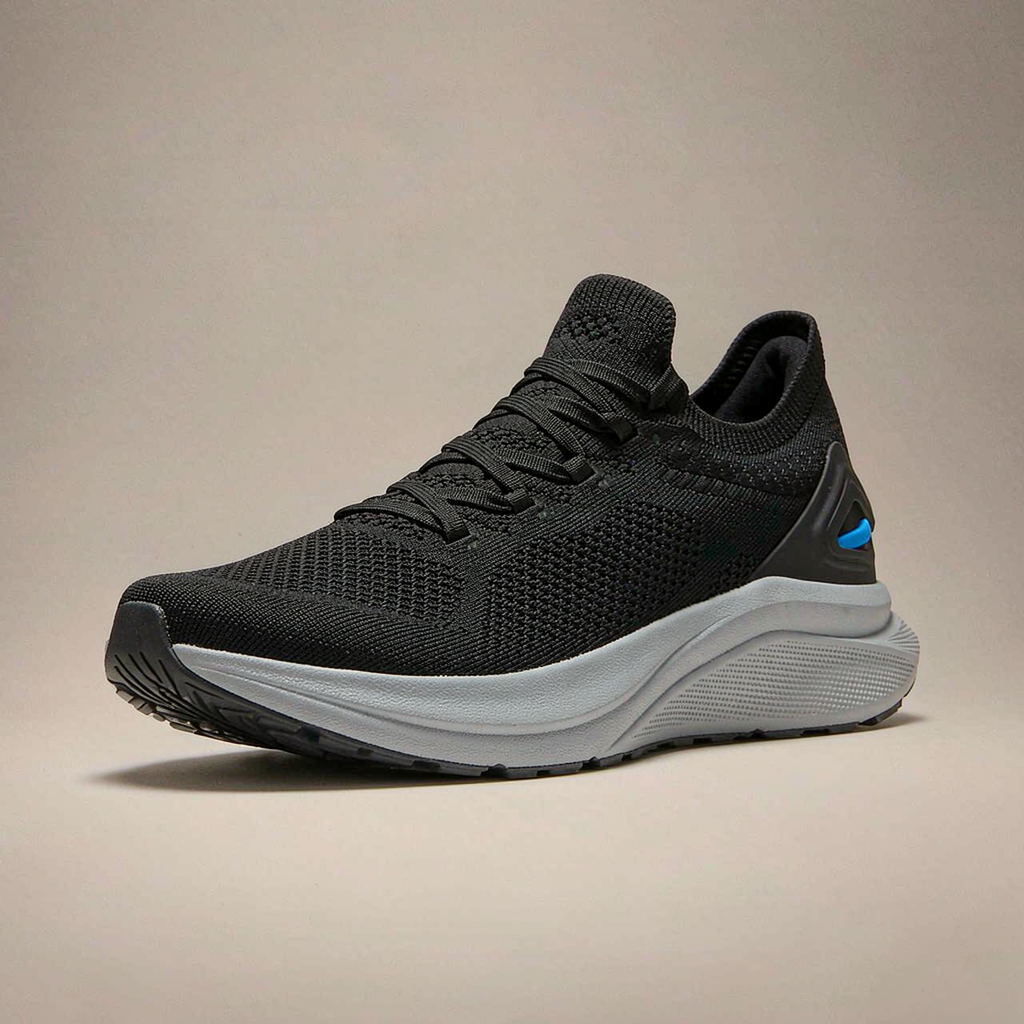
# Upper Materials Decoded: Knit, Mesh, Leather, Suede — Matching Material to Market
Most first samples get judged the way customers judge them: you pick the shoe up, look at it, turn it over, press a thumb into the upper. That is exactly why decisions about sneaker upper materials go wrong so easily from a mood board and a render. Knit, mesh, leather, suede — each behaves like its own small system. It takes color its own way, wears its own way, cleans its own way, and drags a different set of production consequences behind it.
This guide decodes the four families quickly, then does the part most material articles skip: matching each one to the market you actually sell in, and to the line that will build it.
The Four Families, Decoded
Start with behavior, not aesthetics. Each family has a personality that shows up in wear.
Family / What it does well / Where it struggles / Typically reads as
• Engineered knit — Breathability, sock-like fit, modern look — Needs reinforcement to hold shape; cleaning and durability in high-wear zones take thought — Contemporary, comfort-led, tech
• Mesh — Light, airy, sporty — Little structure alone; wants overlays; can snag — Sport heritage, running, everyday
• Leather — Structure, premium hand, ages with character — Weight, cost, creasing; expectation of care; provenance questions in some markets — Premium, lifestyle, classic
• Suede and nubuck — Texture, depth, tactile statement — Sensitive to water and stains; nap and dye-lot variation — Heritage, retro, streetwear staple
One line to remember for each: knit is a fit story, mesh is a weight story, leather is a premium story, suede is a texture story. The right pick depends on which story your market is buying.
How Each Material Behaves in Production
What the customer feels is half the decision. The other half happens at the cutting table and the stitching line.
Knit arrives as pre-shaped panels — fewer pieces, less die cutting, but programming time and close attention at the knitting stage. Fit comes from the knit's structure, so getting the zones right matters more than any single seam.
Mesh is light and forgiving to cut, but it moves under a needle. Good factories back it with lining or reinforcement where the upper takes stress, and they know it can pucker if it is sewn without care.
Leather is the material that punishes guessing. Hide yield, natural defects, and grain direction all affect what you pay per pair, and panels are matched pair by pair — left and right from the same part of the hide.
Suede and nubuck add a nap that scatters light and refuses shortcuts: every panel is cut with a direction, and both shoes in a pair must share it, or left and right read as two different colors.
Materials also carry their own minimums, separate from the shoe's. A mill or tannery may have run minimums your first order cannot reach on its own — one more reason to design around materials the factory keeps available, at least for an opening drop.
Matching Material to Market
Material choice is a market decision as much as a design one. Five questions do most of the sorting.
• Climate and use. Humid, wet, or cold markets ask different things of breathability and weather. Suede in a rainy city is a care commitment; knit in a cold market invites layering decisions.
• Care culture. What will your customer actually do? A customer who will not treat suede is a returns risk wearing a nice shoe.
• Price tier. The upper is the most visible cost signal you have. Premium materials at an entry price confuse buyers, and so does the reverse.
• Silhouette. Knit suits sock-like builds, mesh suits sport shapes, leather suits paneled classics, suede suits low-profile retros. Fight that logic and you fight the shoe.
• Drop model. If your launches are photo-first, texture and contrast sell in stills. If you sell basics, wearability and easy care do the selling.
Write the answers into a one-page material brief: material per zone — upper, overlays, collar, lining, tongue — with color and finish for each. That page is what turns taste into something a factory can build.
The Blended Upper: Where Most Designers Land
Few production sneakers are one material. The classic moves — knit with suede overlays, leather with mesh panels, mesh with welded film — exist because each material covers the other's weak spot.
Three rules keep blends honest:
1. Put durable materials where feet wear. Toe caps, heel counters, and eye stays take the abuse.
2. Spend expression where it shows. Overlays and collars carry the look.
3. Count the cost per material added. Every added material means another approval, another minimum, and another dye lot to match — at small volumes, fewer materials usually mean better consistency.
The trade-off is real: a single-material upper is cleaner to produce and easier to keep consistent, while a blend looks richer and photographs better. For a first drop, a two-material blend is usually the sweet spot.
Sourcing Notes: Five Questions Before You Commit
1. What is this material's own minimum, separate from the shoe's?
2. Can I approve the color on the real material, in hand, not on a screen?
3. What reinforcement or lining does it need — and what does that add per pair?
4. What care does the material genuinely support, so packaging and product copy can tell the truth?
5. Has the factory run this material recently? Recent experience beats general availability.
How We Handle Materials at GlobalSala
GlobalSala is a footwear development and manufacturing partner based in Quanzhou, Fujian. Material selection is where we spend a lot of our development time: turning your brief into a spec by zone, pushing swatches through approval, and telling you early when a material is a poor match for your volume, your market, or the line that will build it.
Our standing position on volumes, materials included: "MOQs depend on the product and factory. Tell us what you need and we confirm what is realistic before you commit to anything."
For how materials move through the region's factories, see sneaker manufacturing in Quanzhou, or start a project through our development process.
FAQ
Which sneaker upper material lasts the longest? Longevity depends more on where a material sits than on the family itself. Wear concentrates at the toe, heel, and flex points, so reinforcement placement and care matter as much as the choice. Pick materials for the job each zone does, not one material for the whole shoe.
Is knit or mesh better for a sneaker upper? They solve different problems. Knit gives one-piece comfort and a modern look; mesh gives lightweight structure for overlays. If you are unsure, decide by silhouette and reinforcement plan rather than by trend alone.
Is suede a bad choice for humid climates? Not automatically, but it asks more of the wearer: water and stains need attention. If your audience will not care for it, choose a nubuck-style finish or a blended upper, and say so in your product copy.
How many materials should a first drop use? Fewer than the mood board suggests. One to three materials per style keeps approvals, minimums, and color matching manageable — you can layer in more once the first run proves the look.
