
Sourcing Guides
What a Sourcing Agent in Quanzhou Actually Does (and What They Charge)
What a sourcing agent in Quanzhou really does, how the fees work, and when hiring one makes sense.
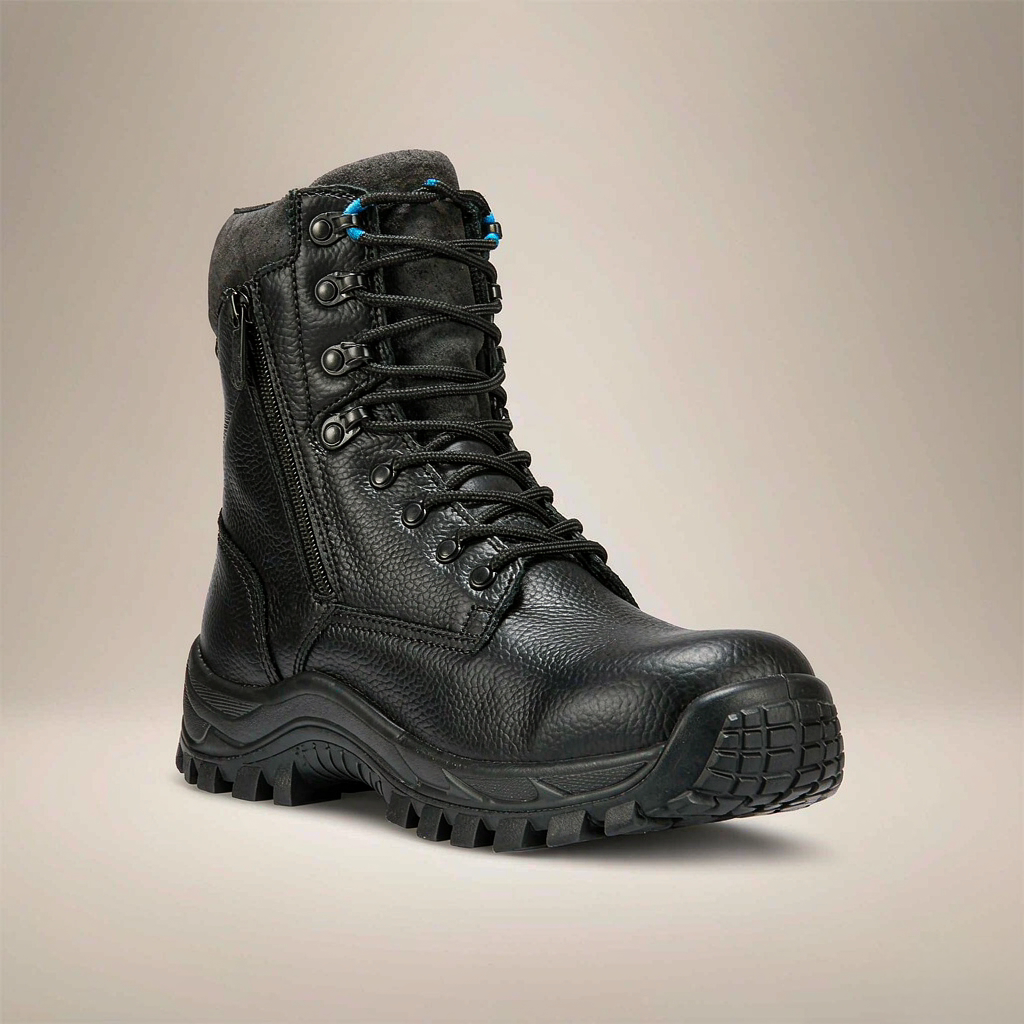
# What a Sourcing Agent in Quanzhou Actually Does (and What They Charge)
If you sell bags, shoes, or apparel online, Quanzhou has probably come up — first as a factory city in Fujian Province, then as a place where "you should find someone local." That someone is a sourcing agent in Quanzhou: a partner on the ground who matches you with factories, checks samples in person, follows production, and handles the export side. This guide explains what the role involves on a real order, the three ways agents commonly charge, and — just as important — when you can skip one and order direct. It is written for importers and e-commerce sellers, not procurement veterans.
Why So Many Buyers Look to Quanzhou First
Quanzhou sits on China's southeast coast in Fujian Province, at the center of one of the country's densest manufacturing belts for soft goods. Jinjiang, the county-level city just south of downtown, is widely called a sneaker capital: footwear factories cluster town by town, and Chinese sportswear brands like Anta, Xtep, 361 Degrees, and Peak all grew out of this region. Next door, Shishi anchors a large textile and garment base that feeds the apparel trade.
Bags and luggage fit into the same ecosystem. Workshops along the coastal corridor share material suppliers, hardware vendors, and mold makers with the shoe and apparel factories, which is why a bag order and a shoe order often touch the same neighborhoods. Hardware and tool workshops round out the regional mix. For a buyer, the practical upside is simple: in bags, footwear, apparel, and many hardware categories, you can shortlist, sample, and compare suppliers without leaving one metro area.
That density cuts both ways. There are thousands of factories here, quality ranges from export-grade to disappointing, and no product listing tells you which is which. We cover the footwear side in detail in our guide to Quanzhou shoe manufacturers; the same logic applies across the belt.
What a Sourcing Agent in Quanzhou Actually Does
Job titles tell you nothing, so here is the actual work, in the order it happens on a typical order.
1. Brief and factory matching. You send your spec — materials, dimensions, construction details, target price, quantity. The agent turns it into factory language and shortlists manufacturers that genuinely make your product type, not a "we produce everything" generalist.
2. Sample review in person. The agent visits the factory, collects samples, and checks them against your spec: stitching, materials, hardware, color, weight. This is where the gap between factory photos and real goods usually gets caught.
3. Quotes and comparison. Several factories quote; the agent lines the offers up apples-to-apples — same materials, same construction, same terms — so you compare real alternatives instead of different assumptions.
4. Production follow-up. Once the order is placed, the agent tracks the schedule, looks at output during production, and flags delays or material substitutions early, while you still have options.
5. Pre-shipment checks. Before anything ships, the agent opens cartons and checks the goods by hand, item by item, against the approved sample and your spec. When an AQL level has been agreed between buyer and supplier, that agreement is the reference point; the checking itself is done manually.
6. Export handling. Shipping bookings, export documents, and consolidation when one order spans several factories — the unglamorous paperwork that derails more first orders than quality problems do.
Notice the common thread: physical presence. A photo of a production line is not the same as standing in one. Most of an agent's value is created at the sample table, on the factory floor, and at the loading dock — places a dashboard cannot reach.
How Quanzhou Sourcing Agents Charge: Three Common Structures
Ask five agents what they charge and you will hear five different answers, because fees vary widely with order size, product type, and how much of the process you hand over. The structures behind the numbers, though, fall into three common patterns:
Structure / How it works / What to check before you commit
• Commission on order value — A percentage of the order value, agreed upfront. Very small orders often do not suit this model. — Whether that percentage is the agent's only income, and which costs — freight, duties, taxes — sit outside it.
• Fixed service fee — A flat fee per order, per project, or per task, such as sample viewing or a factory visit. — Exactly what the fee covers end to end, and what counts as an extra.
• Markup on goods — The agent quotes you one price and pays the factory less; the margin sits inside the unit price. — Whether factory prices are disclosed. If not, you are comparing offers, not costs.
Two honest notes. First, ask any agent where their money comes from. A commission or a fixed fee is transparent; a markup is not automatically wrong, but you should know it exists. The classic trust problem in this industry is an agent who quotes a low fee and quietly earns a margin inside the "factory price." Second, agent fees cover the agent's work — they do not include freight, duties, or taxes. Get that boundary in writing before the first order, not after the first dispute.
If you are weighing all this against ordering directly through Alibaba or 1688, that comparison deserves a proper read: see Alibaba vs. working with a sourcing agent. The short version: the platforms are genuinely good at supplier discovery and payment protection, and plenty of buyers do fine on them. What they cannot do is stand in a factory on a Tuesday morning and ask why a carton is short.
What a Good Agent Will Not Do
• Work magic on price. A good agent takes you to factories that fit your spec at fair market rates. If a quote comes in dramatically below everyone else's, something in the materials, the construction, or the terms is about to change.
• Rescue a vague brief. "Make it like this photo, but cheaper" is not a spec. An agent can translate and pressure-test your brief, but the decisions inside it are yours.
• Add quality at the end. A pre-shipment check catches problems; it cannot fix them. Quality is decided by material choices and on the production line, which is why mid-production follow-up matters more than the final look.
• Replace your judgment. You approve the sample, the price, and the shipment. An agent brings information and presence; the signing is still yours.
When a Local Agent Makes Sense (and When You Can Skip One)
Hiring a local agent earns its keep in a few common situations: you cannot fly to China for every stage of a first order; your product sits in the local belts — bags, footwear, apparel, hardware and tools; one order spans several factories; or you are placing first orders with suppliers you have never met. In these cases, the fee usually buys back more than it costs in avoided mistakes: wrong materials, silent substitutions, delays discovered at loading.
You can reasonably skip one when you already have a vetted supplier you re-order from, when the order is a straight repeat of last season, or when you are testing small quantities on a platform and can absorb the cost of a miss. Direct ordering through Alibaba or 1688 is a legitimate route — the honest case for an agent is about physical presence and multi-factory orders, not about platforms being bad.
This is the work we do at GlobalSala, a sourcing and export agent based in Quanzhou. We match buyers with factories, view samples and visit factories in person, follow production, run item-by-item pre-shipment checks, and handle export arrangements — across bags, footwear, apparel, and hardware and tools.
If your next line is handbags, start with our guide to sourcing handbags from China. Otherwise, tell us what you need. As we put it to every new buyer: "MOQs depend on the product and factory. Tell us what you need and we confirm what is realistic before you commit to anything."
FAQ
Do I still need an agent if I order through Alibaba?
Not always. If you find a single reliable supplier, order standard products, and accept the risk of not seeing goods in person, the platform route can work well. An agent earns their fee when you need custom production, several factories on one order, or someone physically checking samples and goods before they ship.
How much does a sourcing agent in Quanzhou charge?
It varies widely with order size, scope, and product. The three common structures are a commission on order value, a fixed service fee, and a markup built into the unit price. Before signing, ask what the fee includes, what it excludes, and whether the agent earns money anywhere else.
Will an agent get me lower MOQs?
Sometimes, but it is product- and factory-specific. Simpler products and smaller workshops tend to flex more; complex or seasonal lines less so. No honest agent promises a figure before checking with real factories — which is exactly the step you should insist on.
Is a sourcing agent the same as a trading company?
No. A trading company sells you goods, with its margin built into the price, and it may never disclose which factory made what. A sourcing agent represents you, discloses the factories, and charges an agreed fee. Both are legitimate — the difference is whose side they are on.
