
Sourcing Guides
The Sneaker Tech Pack: A Complete Guide to Writing One
How to write a sneaker tech pack—every section from last specs to QC standards, with the language factories need and the mistakes to avoid.
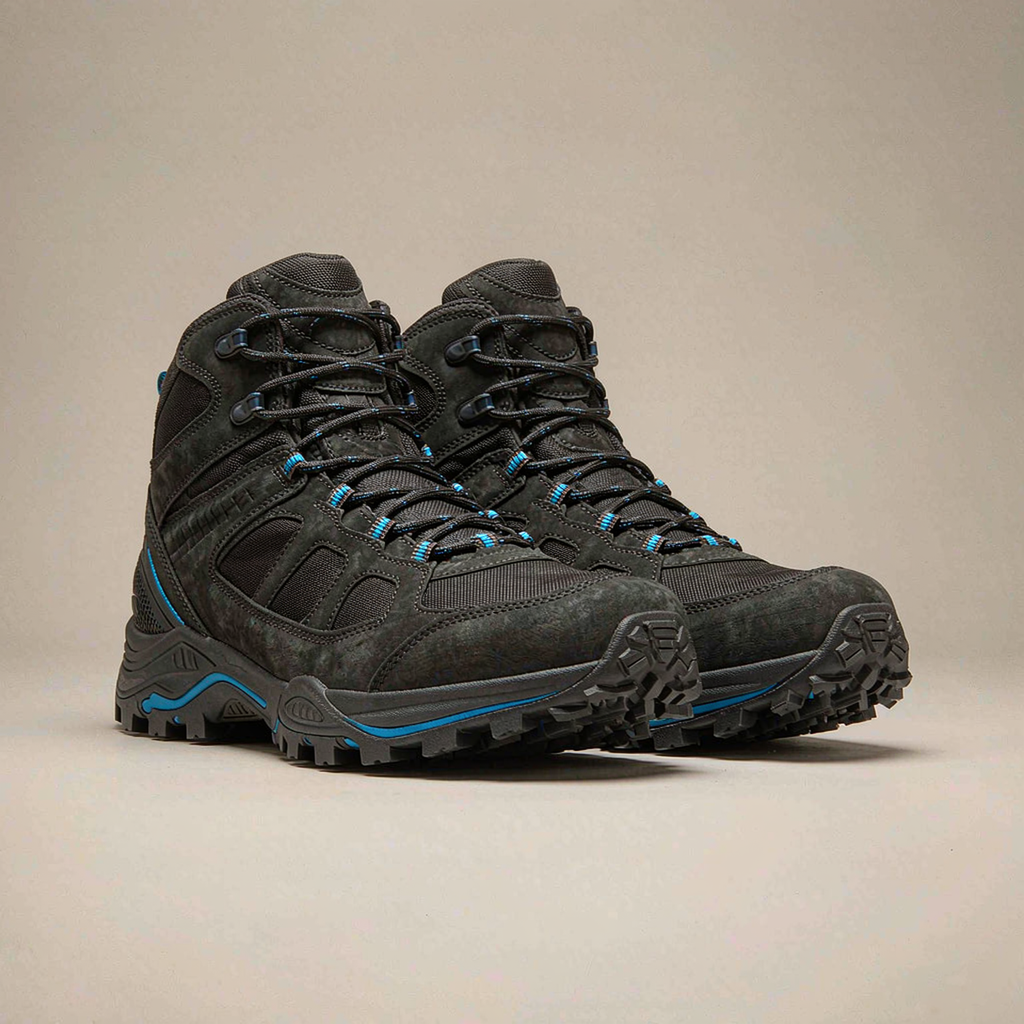
# The Sneaker Tech Pack: A Complete Guide to Writing One
The tech pack is the contract between your design and the factory's production line. Everything not written in it gets decided by someone else—usually by whatever the factory did last week. A good tech pack does not need to be enormous; it needs to be complete enough that two different factories quoting it produce comparable offers, and specific enough that the bulk goods can be checked against it. This guide walks through every section a sneaker tech pack needs, in the order factories read them, with the mistakes that most often cause re-quotes and disputes.
What the Tech Pack Is For
Three jobs, in priority order:
1. Quoting. Factories price a tech pack. Vague packs get padded quotes or assumptions that resurface as change fees.
2. Production. The line builds from it—patterns, materials, colors, construction steps.
3. Verification. Inspection checks goods against it. If a requirement isn't in the pack, inspection can't hold goods to it.
A pack that serves all three shares a property: every requirement is checkable. "Premium leather" is a mood; "full-grain cow leather, 1.4–1.6 mm, color per approved swatch" is a checkpoint. The habit of writing checkable requirements is ninety percent of tech pack quality.
Section by Section
1. Product overview. One page: silhouette description, target position, construction family (vulcanized, cupsole, cold cement—our construction methods guide explains the options), size run, and reference images. This orients every reader before details begin.
2. Last specification. Which last (factory's, adapted, or new), key dimensions, and the fit intent. The last decision shapes everything downstream—our shoe last guide covers the options.
3. Materials list (the BOM). The heart of the pack. Every material with: component position, material type, grade and construction, thickness/weight with tolerance, color reference (Pantone for solid colors; physical swatch for textures), and supplier status (factory stock, sourced, or custom). A panel-by-panel material map prevents the most expensive ambiguity in footwear—our leather grades and PU grades guides show why the word "leather" or "PU" alone transfers no information.
4. Colorway sheet. One page per colorway: which material in which color on which panel, with Pantone codes where applicable and physical swatch references for textured materials. Include trim colors (threads, eyelets, labels)—the details that are wrong on more sample rounds than any core material.
5. Construction details. Stitch types and SPI where it matters, bonding requirements, reinforcement placement, and the assembly sequence highlights. You don't need to be a technician; you need to state outcomes and reference the approved sample for feel.
6. Components. Outsole spec (compound family, hardness range, tread drawing reference—see our outsole compounds guide), midsole spec, insole spec, hardware (with physical references), laces, labels, and packaging. Each with tolerances and golden-sample references.
7. Labeling and branding. Logo applications and methods (see our logo application coverage in the designer brief context), size labels, composition labels, and any compliance labels your markets require.
8. QC standards. What inspection checks and against what reference. The golden sample is the anchor—our golden sample guide explains the discipline. Include the defect definitions that matter for your product and note that formal sampling levels apply if/when agreed between buyer and supplier.
9. Revision log. Every change, dated, versioned. The most underrated page: when sample round three differs from round two, the log says who changed what and when—and prevents the resurrection of already-rejected ideas.
The Mistakes That Cause Re-Quotes
The recurring patterns we see when packs come back with surprising quotes:
• The one-word material spec. "Leather," "mesh," "PU" — each hides a cost range wider than the shoe's margin. Fix with grade, thickness, and swatch reference.
• Missing tolerances. "Midsole EVA" without density range invites the cheapest foam that plausibly qualifies. Tolerances are what make specs enforceable.
• Photos as specifications. A render is not a spec. Photos accompany specs; swatches and golden samples are the references factories can match.
• Unstated exclusions. What the pack doesn't cover gets assumed: packaging, laces, labels, insoles. List them even to say "factory standard."
• Version chaos. Three PDF versions in circulation means three different shoes in production. One versioned file, one revision log, one source of truth.
None of these require expertise to fix—they require the discipline of checkable requirements.
The Pack That Fits Small Brands
A first tech pack doesn't need fifty pages. A tight pack for a first sneaker:
Section / Depth for a first model
• Overview + last — Half page each
• BOM — Complete, one row per material, tolerances on everything
• Colorway — One page per colorway, swatch-referenced
• Construction — Outcome statements + sample references
• Components — Specs with tolerances; factory-stock options flagged
• QC — Golden sample reference + your top-10 defect definitions
• Revision log — Started at day one
Ten to fifteen pages of checkable requirements beats a hundred pages of mood boards. Where a requirement depends on factory input—foam options, last availability—write the question into the pack rather than leaving silence; factories answer questions in packs, and the answers become part of the record.
How the Pack Flows Through Development
The pack's life: written before quoting, quoted by shortlisted factories, evolved through sample rounds (each change logged), frozen at the golden sample, and referenced at every inspection through bulk. When the pack is the single source of truth, the factory relationship runs on documents instead of memory—and disputes resolve by pointing at a line item instead of relitigating a conversation. Our sourcing agent guide covers how local representation keeps that document flow honest between factory visits.
Tech Packs with a Manufacturing Partner
Writing a first tech pack is easier with someone who has read a thousand of them. We translate design intent into checkable factory language, pressure-test BOM specs against what the Fujian supply chain actually stocks, manage version control through sample rounds, and hold bulk inspection to the frozen pack. Our how to develop a sneaker guide shows where the pack sits in the full sequence.
On minimums: "MOQs depend on the product and factory. Tell us what you need and we confirm what is realistic before you commit to anything."
FAQ
How detailed does a first tech pack need to be? Complete but not enormous: ten to fifteen pages of checkable requirements—full BOM with tolerances, one colorway page per variant, outcome-level construction notes, and a QC section anchored to the golden sample. Depth beats length; every line should be something inspection could hold goods against.
Can a factory write the tech pack for me? Factories can fill in production details, but the pack written entirely by the factory reflects the factory's preferences—not your design intent or QC bar. The working split: you own design intent, materials intent, and quality requirements; the factory contributes construction methods and capability details. A sourcing partner can bridge the two languages.
What is the most important page in a tech pack? The materials list (BOM), with tolerances and swatch references. It is where quoting accuracy and substitution control live, and where the most expensive ambiguities hide. One row per material, one tolerance per property, one physical reference per texture—that page does more work than any other.
How do I handle changes after the tech pack is frozen? Through the revision log, formally: describe the change, re-quote if it affects cost, re-sample if it affects feel, and re-freeze. Changes outside the log are how bulk goods quietly stop matching approved samples. The log exists to make changes deliberate, not to prevent them.
