
Industry Insights
Toiletry Kit and Wash Bag Development: Materials, Layouts, and the Wet-Dry Divide
A wash bag is a bathroom in a zippered shell — wet and dry zones coexisting. The material choices, compartment layouts, and hanging systems that make it work.
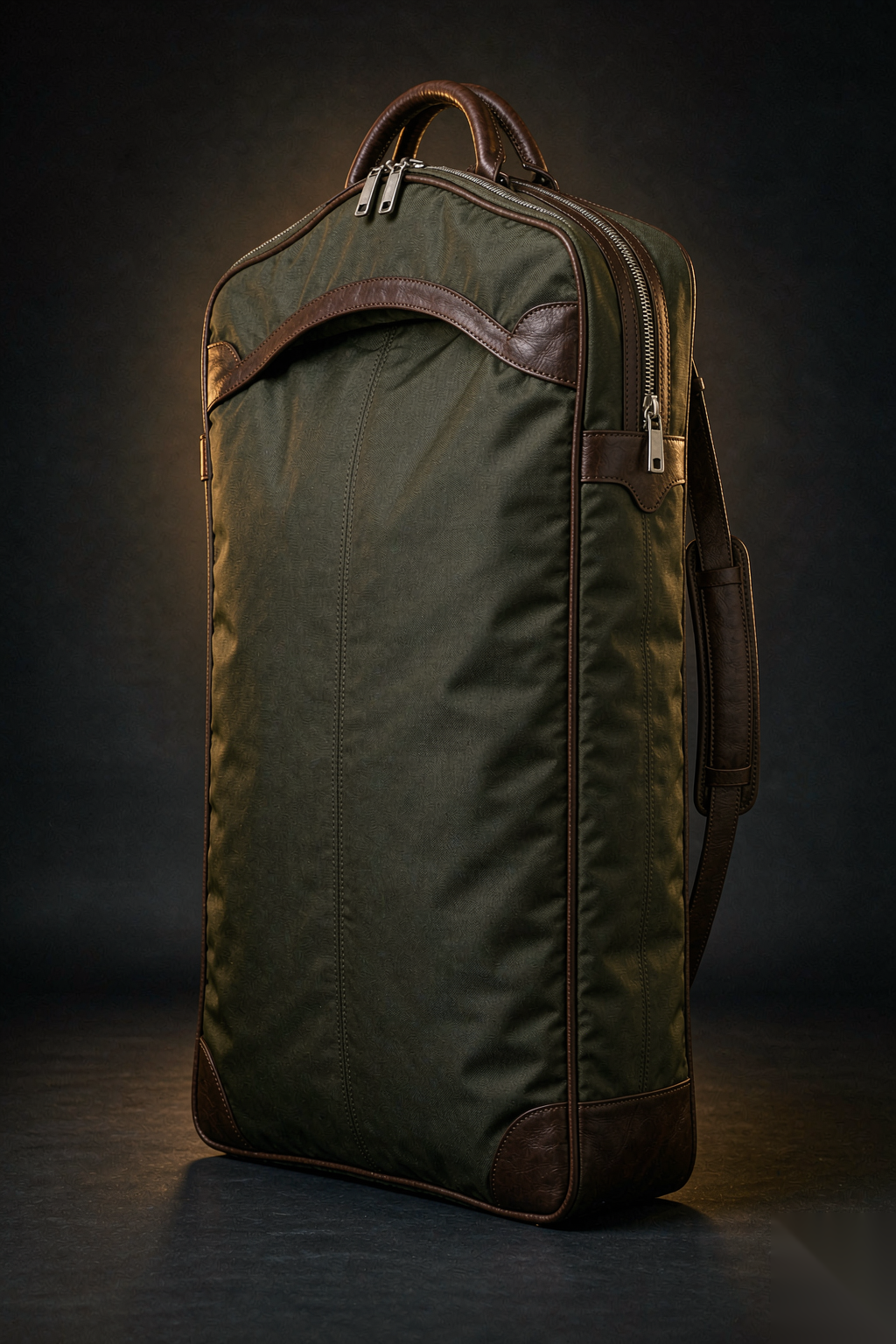
A wash bag is the only bag in the line that gets wet on purpose. Toothpaste leaks, shampoo opens in transit, razors drip, and the bag is expected to contain all of it — then wipe clean and do it again tomorrow. Toiletry kit and wash bag development is therefore a materials-and-architecture problem: how to build a bag where wet and dry zones coexist, where the lining wipes clean, and where the hanging hook turns any bathroom door into a shelf. Here is how the development actually runs.
The Material Spec: Every Surface Wipes Clean
Every surface in a wash bag contacts moisture, chemicals, or both. The material spec:
The shell. Coated polyester or nylon — wipeable, water-resistant, and available in colors and prints. The coating weight is heavier than a standard bag's (the exterior gets splashed too).
The lining. TPU film or PEVA — fully waterproof, wipeable, and food-safe-adjacent (toothpaste and mouthwash contact the lining directly). The lining is the single most important material decision in a wash bag.
The compartment walls. Clear TPU windows or mesh — visible contents without opening every pocket.
The zippers. Water-resistant coil or TPU-taped — standard zippers corrode and jam in bathroom humidity.
The development rule: every surface must wipe clean with a damp cloth. If any surface absorbs (uncoated canvas, raw cotton, unprotected foam), it will hold odor and stain permanently.
The Hanging System: The Feature That Defines the Category
A hanging hook transforms a wash bag from a counter-clutterer into a bathroom organizer. The hanging system's development:
The hook. A swivel metal hook (rotates 360°) or a woven tab for hanging from towel bars and door hooks. The swivel hook is the premium option — it rotates to face the user regardless of hang direction.
The unfold architecture. When hung, the bag unfolds to expose all compartments vertically — tri-fold designs, bi-fold designs, and roll-out designs each present differently.
The structural backing. The hanging panel needs internal stiffening (plastic board or dense foam) so the bag holds its shape when loaded and hung.
The hanging system is the feature buyers test in the store: they open the bag, imagine it hanging in a hotel bathroom, and check whether every compartment is visible and accessible. A wash bag that must lie flat on a wet counter loses to one that hangs.
The Compartment Layout: Wet-Dry Zoning
The interior layout divides into wet and dry zones:
Zone | Contents | Material | Closure |
|---|---|---|---|
Wet zone | Toothbrush, toothpaste, razor, shampoo | TPU-lined, waterproof | Water-resistant zipper or drawstring |
Dry zone | Skincare, makeup, cotton pads, medication | Standard lining with elastic loops | Standard zippers |
Quick-access | Items used at every brushing | Exterior pocket, one-hand access | Wide-mouth opening |
The wet-dry divide is the layout's organizing principle — and the reason wash bags have more compartments than their size suggests. A well-zoned kit keeps the toothbrush separate from the shaving cream, and the skincare separate from everything that might leak.
The Size Ladder: Personal, Couple, and Family
Wash bags come in three size classes, each with a distinct layout:
Class | Size Range | Layout | Best For |
|---|---|---|---|
Personal | Compact, one main + one flat | Minimal; the essentials | Solo travelers, gym users |
Couple | Medium, tri-fold or bi-fold | Two identical halves + a shared flat pocket | Couples sharing one bag |
Family | Large, roll-out or multi-panel | Multiple compartments + detachable inner bags | Family bathrooms with limited counter space |
The size ladder is also a price ladder: personal kits are the entry point, family kits are the premium tier with the most features. A brand building a luggage line typically starts with the personal size and expands up.
MOQs depend on the product and factory. Tell us what you need and we confirm what is realistic before you commit to anything. Wash bag MOQs are friendly (the construction is simpler than structured bags), but the TPU linings and water-resistant zippers carry their own material minimums.
Frequently Asked Questions
What is the best lining material for a wash bag?
TPU film is the commercial standard: fully waterproof, wipes clean, food-safe adjacent, and durable through thousands of wipe cycles. PEVA is the budget alternative — adequate but less durable.
Why does my wash bag zipper corrode?
Standard metal zippers corrode in bathroom humidity and toothpaste chemistry. The spec should call for water-resistant coil zippers or plastic sliders — metal hardware inside a wash bag needs a corrosion-tolerant finish or a plastic alternative.
Can I put a wash bag in the washing machine?
No — the TPU linings, hanging hooks, and structural boards cannot withstand machine washing. Wipe-clean with damp cloth and mild soap is the standard care routine, which is why every surface must be wipeable by design.
What is the most common wash bag complaint?
Leaking into the dry zone — caused by inadequate wet-zone sealing or a lining that absorbs rather than wipes. The wet-dry divide is the development problem, and it is solved in the layout, not by an afterthought pocket.
The Takeaway
Toiletry kit development is a materials-and-architecture exercise: every surface wipes clean, the hanging hook turns any bathroom into a workstation, and the wet-dry zoning keeps the toothbrush separate from the shampoo. Build the architecture deliberately and the wash bag becomes the piece buyers use every single day — the highest-frequency product in the line.
