
Industry Insights
The Trail Crossover: Outdoor DNA in Streetwear Sneakers
How trail DNA entered streetwear sneakers—lug soles, protective structures, technical fabrics, and how small brands borrow outdoor language honestly.
# The Trail Crossover: Outdoor DNA in Streetwear Sneakers
The most durable trend language in recent streetwear didn't come from courts or tracks—it came from mountains. Lug soles, protective overlays, technical meshes, and earth-tone palettes migrated from trail running and hiking into city silhouettes, and the migration has outlasted several trend cycles that came and went around it. The appeal is structural, not just aesthetic: outdoor design language signals capability, durability, and a kind of honest utility that fashion rarely offers. For small brands, the trail crossover is an opportunity with a specific trap—borrowing the look without the substance reads as costume. This guide covers the crossover's anatomy, the buyer motivations behind it, and how to use outdoor DNA credibly.
What Actually Crossed Over
The trail vocabulary in streetwear breaks into four elements:
Lug soles. The signature element—deep, aggressive outsole geometry lifted from trail running. On city streets the lugs serve aesthetics and grip on wet pavement alike; the visual is the point, the function is real enough. Our tread pattern design guidance covers the geometry trade-offs lugs carry: depth, spacing, and the wear appearance question.
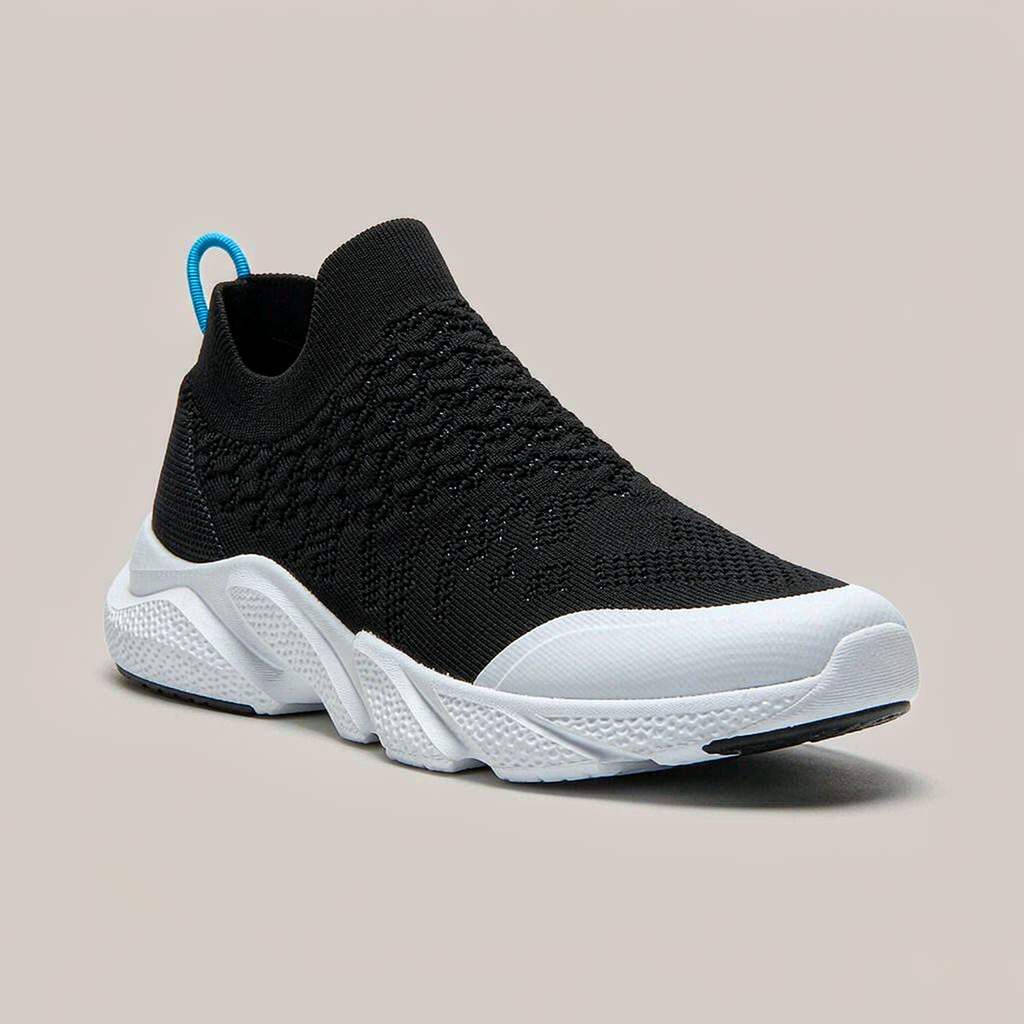
Protective structure. Reinforced toe caps, mudguard wraps, padded collars—the trail shoe's armor language. On streetwear silhouettes it reads as substance: a shoe that looks like it survives things.
Technical textiles. Ripstop, ballistic-adjacent nylons, hard-wearing meshes—the fabric vocabulary of gear. Our engineered mesh and specialty materials guidance covers the textile families this draws from.
Earth-tone palettes. Moss, clay, slate, sand—the color system that replaced neon as outdoor's fashion face. Its endurance owes to versatility: earth tones wear with everything, which makes trail-palette sneakers quietly practical.
Why It Endures: The Buyer Motivations
Trends fade when their motivation is novelty; the trail crossover persists because its motivations are durable:
• The authenticity premium. Buyers increasingly reward design that implies capability—gear-adjacent aesthetics signal that the product does something, even if the buyer never leaves pavement. This is the same psychology our performance-casual crossover coverage describes at the design level.
• Urban practicality. City streets are genuinely abrasive, wet, and uneven. Lug grip and protective structure solve real urban problems—the crossover works because the function transfers.
• The wardrobe shift. Technical and outdoor clothing normalized gear aesthetics in daily dress; sneakers followed the wardrobe.
• Versatility economics. Earth tones and rugged construction photograph well and wear with more outfits—practical buying, dressed as style.
For small brands the practical reading: trail DNA is not a costume trend to chase but a design system to borrow from—elements that add real value when integrated with intent.
Borrowing Honestly: The Integration Rules
The difference between trail-inspired and trail-costume:
1. Function first, look second. If the design has lugs, they should grip; if it has overlays, they should reinforce. The trail category notes cover what each element does in its native context—borrow elements whose function fits the urban use case, not just the silhouette.
2. Substance under the story. A "rugged" narrative needs rugged construction—durable materials, real stitching discipline, soles that wear well. The trail language raises the buyer's quality expectation; meeting it is the whole game.
3. Restraint in the palette. Earth tones work as a system, not as camouflage print. One or two trail colorways per model, integrated with the brand's colorway architecture, outlasts head-to-toe outdoors cosplay.
4. Comfort honesty. Trail silhouettes read "all-day capable"—buyers will walk in them. The comfort system (insole, collar, flexibility) must deliver what the look promises; our insole comfort guidance applies fully.
5. Don't fake the tech. Waterproof claims without membranes, "trail-tested" without testing—the performance claims discipline applies: name the truth of the construction, and let the aesthetic do the aspirational work.
The Development Reality: What Trail Elements Cost
Each borrowed element carries production weight worth knowing before sketching:
• Lugged outsoles need new or adapted molds—deep lugs cut tooling costs up, and tread complexity drives both. Stock lug molds at sole factories are the small-brand path.
• Protective overlays add materials and stitching operations—cost that DFM discipline keeps honest by placing overlays where they earn.
• Technical textiles price above basic mesh; abrasion zones need the upgrade to justify the story.
• Earth-tone palettes behave like any colorway economics—deep tones on suede and nubuck look richest but carry those materials' production realities.
None of these are disqualifying—they're the cost of substance. The trail crossover's honest version is a shoe that actually handles the city's worst day, wearing the mountain's vocabulary.
Positioning the Trail-Inspired Model
Where the crossover model sits in a line:
• As the line's utility anchor. The trail-inspired silhouette often becomes the brand's "does everything" model—practical enough for daily rotation, distinctive enough for content.
• As the earth-tone flagship. The palette system lands best on the trail-inspired silhouette; let it carry the brand's outdoor color story.
• As the durability statement. If the brand's story includes longevity, the trail model is where that claim lives most credibly—built rugged, photographed honest.
Trail DNA with a Manufacturing Partner
Trail elements concentrate in specific supplier capabilities: lug mold libraries, technical textile sourcing, and the construction discipline rugged builds demand. From the Fujian belt we match trail-inspired designs to factories whose sole libraries and material networks fit—borrowing proven lug geometries where appropriate, specifying overlays where they function, and holding the rugged story to golden sample reality. Our niche categories guide covers the trail category's native development notes this borrowing draws on.
As always: "MOQs depend on the product and factory. Tell us what you need and we confirm what is realistic before you commit to anything."
FAQ
Why has the outdoor/trail aesthetic lasted so long in streetwear? Because its motivations are durable: buyers reward design implying capability, lug grip and protective structure solve real urban problems, technical wardrobes normalized gear aesthetics, and earth-tone palettes wear with everything. Trail DNA functions as a design system rather than a costume trend—which is why it outlasted the trend cycles around it.
How does a small brand use trail elements without looking like a costume? Function first: lugs that grip, overlays that reinforce, textiles that endure—the elements integrated where their real function fits urban use. Substance under the story (rugged narratives need rugged construction), restraint in the palette, and no fake tech claims. The trail language raises quality expectations; meeting them is the whole game.
What does adding trail elements cost in development? Lug outsoles need new or adapted molds (stock lug molds are the small-brand path), protective overlays add materials and operations, technical textiles price above basic mesh, and earth-tone palettes carry suede and nubuck production realities. All manageable—the cost of substance, priced into the silhouette's positioning.
Where does a trail-inspired model fit in a sneaker line? Usually as the utility anchor—the "does everything" model for daily rotation—and often as the earth-tone flagship carrying the brand's outdoor color story. If the brand's story includes durability, the trail model is where that claim lives most credibly: built rugged, photographed honest.
