
Quality & Inspection
Waterproof vs Water-Resistant Bags: The Coating Difference That Matters in Rain
"Waterproof" and "water-resistant" are not marketing synonyms — they are engineering differences. The coating technologies, seam treatments, and testing that separate them.
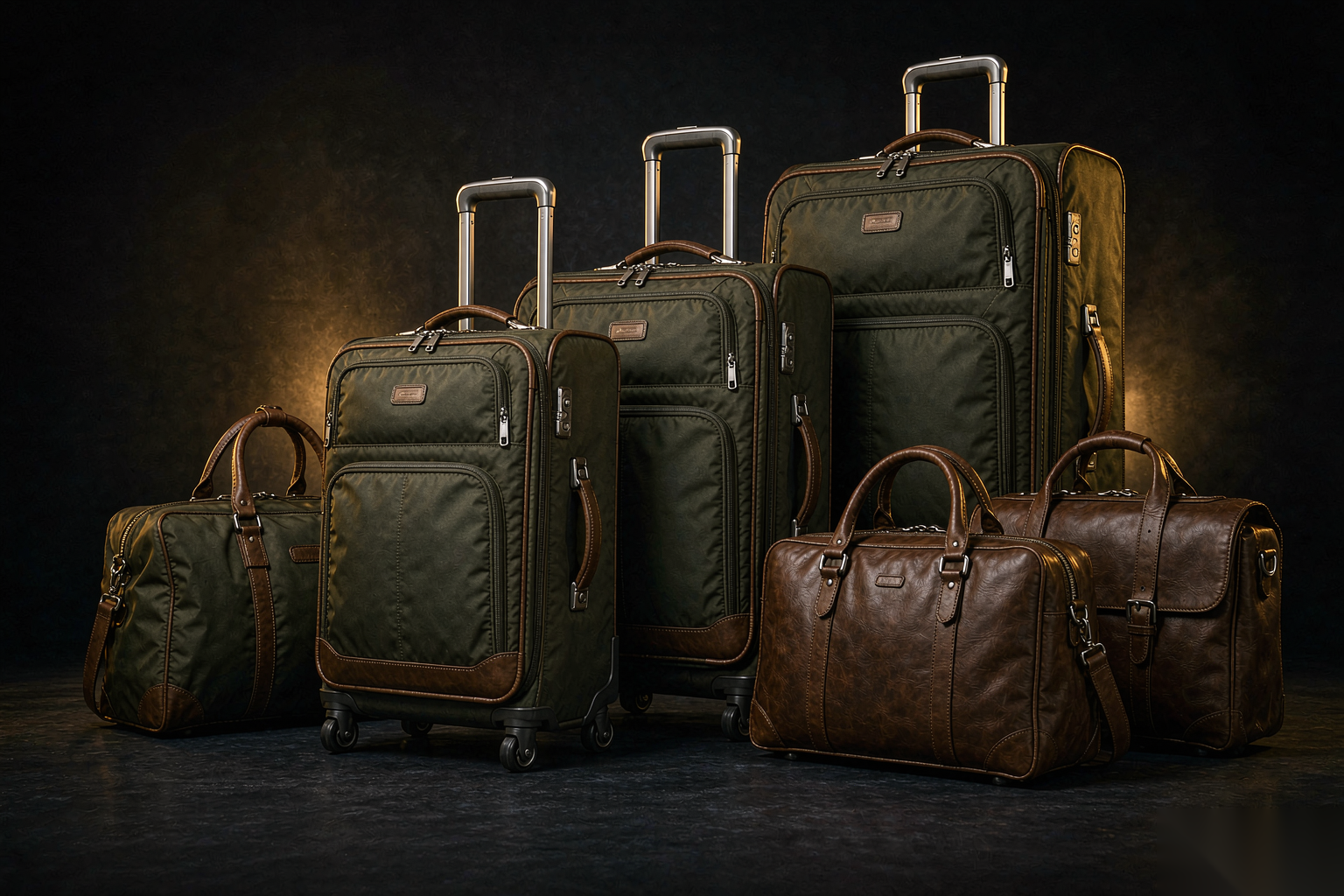
"Waterproof" and "water-resistant" appear interchangeably on product listings, but they are engineering differences that matter the moment the rain starts. A water-resistant bag handles a drizzle; a waterproof bag survives a downpour. The difference lives in three layers: the fabric coating, the seam treatment, and the zipper design. Understanding these layers is the difference between a bag that protects its contents and one that soaks them.
The Coating Families: What Each Layer Does
Treatment | How It Works | Water Protection Level | Durability |
|---|---|---|---|
DWR (Durable Water Repellent) | Surface treatment causing beading | Light rain, mist | Wears with washing; reappliable |
PU coating (interior) | Polyurethane layer bonded to fabric face | Moderate rain, splashes | Degrades at fold points over years |
TPU laminate | Full film bonded to fabric | Heavy rain, sustained exposure | Most durable; changes hand feel |
PVC-free laminate | Environmentally compliant full film | Equivalent to TPU | Similar to TPU |
The coating decision is the first waterproof/water-resistant fork: DWR for water-resistant, PU or TPU for waterproof. A DWR-treated bag beads light rain but soaks in a downpour; a TPU-laminated bag survives sustained rain.
The Seam Problem: Why Coated Fabric Is Not Enough
A coated fabric is only as waterproof as its weakest point — and the weakest point is always the seams. Every stitch perforates the fabric and creates a water entry channel. The seam treatments that close those channels:
Taped seams. A waterproof tape heat-bonded over each seam line from the interior. The standard for waterproof bags.
Welded seams. The fabric panels are ultrasonically welded or hot-air welded — no stitching, no perforation, complete waterproofing. The premium solution.
Un-taped seams. The standard for water-resistant bags — the coating on the fabric provides sufficient protection for light rain, and the needle holes are small enough to be negligible in drizzle.
The waterproof/water-resistant distinction is therefore: waterproof = coated fabric + taped or welded seams. Water-resistant = coated fabric + standard stitched seams. The coating alone does not make a bag waterproof.
The Zipper: The Third Entry Point
After the fabric and the seams, the zipper is the third water entry point. The spec:
Standard zippers. Water enters through the teeth and the slider — fine for water-resistant bags in drizzle.
Water-resistant zippers. Coil zippers with a PU laminate on the tape — the teeth still allow some water but the tape blocks most. The standard for "waterproof" soft bags.
Waterproof zippers. TPU-coated teeth with a sealed tape — the only truly waterproof zipper option. Used on dry bags and premium waterproof packs.
A bag claiming waterproof status must have all three layers: coated fabric, taped/welded seams, and water-resistant or waterproof zippers. A bag with a coated fabric but standard zippers and un-taped seams is water-resistant, not waterproof.
The Testing Protocol: How to Verify Claims
The coating and seam claims are testable on the sample:
1. The spray test. Spray water on the bag's exterior for 30 seconds. Water-resistant: beads form and roll off. Waterproof: no penetration anywhere.
2. The rain test. Hold the bag under a running tap for 60 seconds, focusing on seams and zippers. Water-resistant: some seepage at seams is acceptable. Waterproof: zero penetration.
3. The soak test. Submerge the closed bag in water for five minutes. Only a truly waterproof bag passes this test.
4. The interior check. After any water test, open the bag and inspect the interior for moisture — even a damp patch indicates a failure point.
MOQs depend on the product and factory. Tell us what you need and we confirm what is realistic before you commit to anything. Waterproof construction carries a cost premium over water-resistant — the TPU lamination, taped seams, and waterproof zippers each add cost, knowable from the factory before you commit.
Frequently Asked Questions
Can I make a water-resistant bag waterproof?
Not retroactively. The seam taping and waterproof zippers are manufacturing features that cannot be added after production. The distinction must be made at development.
What is the most common waterproof failure point?
The zipper — followed by the seams. A coated fabric with a standard zipper is water-resistant, not waterproof, regardless of the coating quality.
Does DWR need reapplication?
Yes — DWR wears with washing and abrasion. Consumer spray-on DWR products restore the beading effect. The spec should state the expected wash count before reapplication.
Is TPU better than PU for waterproof coatings?
TPU is more durable, more flexible in cold weather, and more environmentally compliant (PVC-free). PU is cheaper but cracks at fold points over time and in cold weather. For bags in the premium tier, TPU is the better spec.
The Takeaway
Waterproof and water-resistant are engineering distinctions, not marketing labels. Three layers — coating, seams, zippers — determine which category a bag falls into. Spec all three at development, test them on the sample, and the bag's performance in rain will match its label.
