
Industry Insights
Cold Weather Ready: Winterized Sneaker Development
Discover the complete winterized sneaker development process: insulation technologies, waterproofing solutions, traction systems, and maintaining street style in cold weather footwear.
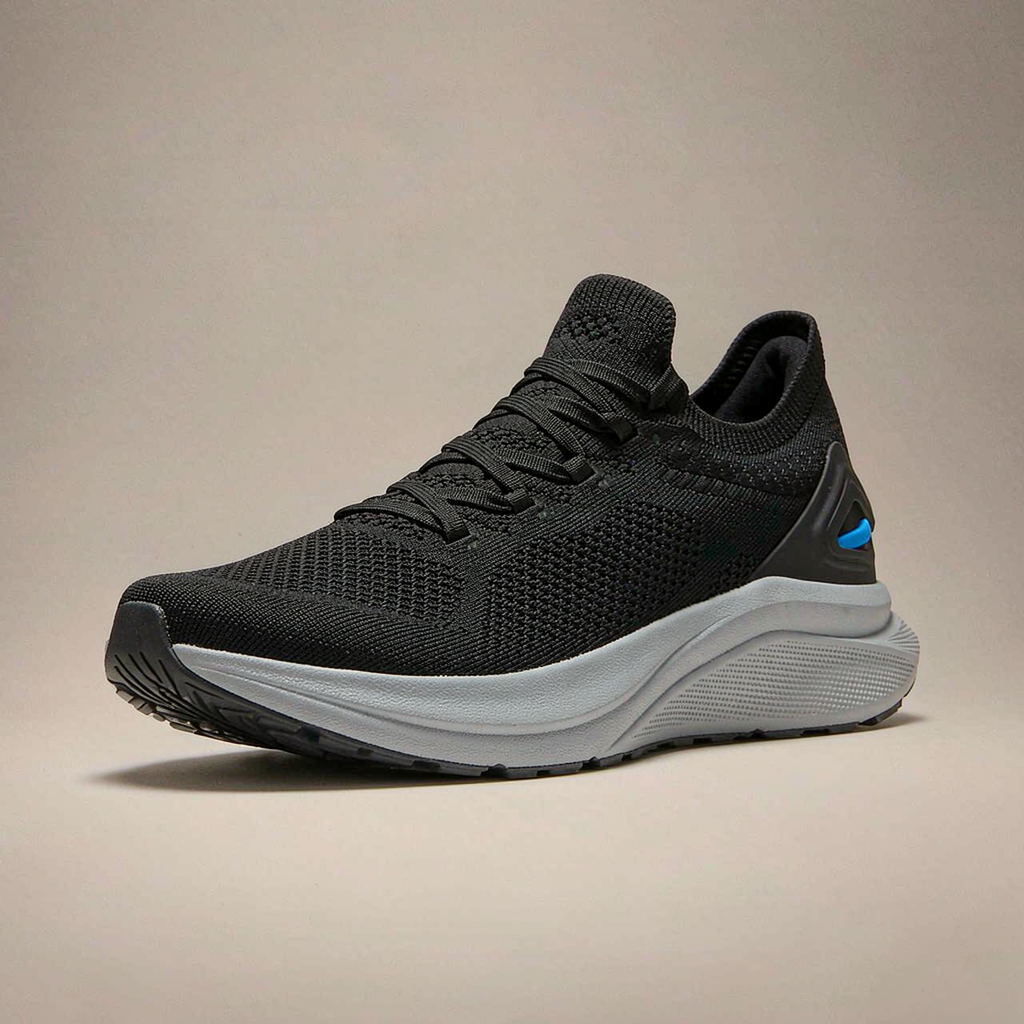
# Cold Weather Ready: Winterized Sneaker Development
Developing winterized sneakers presents a unique challenge for independent streetwear brands: how to balance essential cold weather functionality with the aesthetic appeal that defines street culture. As temperatures drop, consumers need footwear that keeps them warm, dry, and safe on slippery surfaces without sacrificing the style that makes sneakers a cultural statement. This comprehensive guide walks through the complete winterized sneaker development process, from technical specifications to manufacturing considerations.
Understanding Winterization Requirements
Winterization transforms standard sneakers into cold weather footwear through targeted technical enhancements. Unlike seasonal colorway updates, true winterization involves fundamental modifications to the shoe's construction, materials, and performance characteristics. The core requirements include thermal insulation, moisture protection, enhanced traction, and structural reinforcement - all while maintaining the silhouette and design language that streetwear enthusiasts expect.
The development process begins with identifying the specific climate conditions your target market faces. Temperature ranges, precipitation levels, and typical winter surfaces (ice, snow, wet pavement) directly influence material selection and design decisions. A sneaker designed for mild damp winters requires different solutions than one built for extreme subzero conditions with heavy snowfall.
Insulation Technologies for Winter Sneakers
Effective insulation is the foundation of winterized sneaker development. The approach typically involves one of three methods: built-in thermal linings, removable insulation systems, or advanced heating materials. Each offers distinct advantages depending on the intended use case and target price point.
Built-in thermal linings use materials like fleece, Sherpa, or quilted textiles that integrate directly into the shoe's upper construction. These provide consistent warmth without bulk but require careful design to maintain proper fit and flexibility. The key is selecting materials with appropriate thermal properties that don't compromise the shoe's breathability or create excessive weight.
Removable insulation systems, such as heat-tech insoles or inner booties, offer versatility for seasonal wear. This approach allows consumers to adapt their sneakers to different temperature conditions and provides easier replacement when insulation wears out. Development considerations include attachment mechanisms that ensure secure placement during movement while allowing quick removal.
Advanced heating materials represent the cutting edge of winterization technology. These include electric heating elements powered by rechargeable batteries or thermoelectric materials that generate heat from body movement. While offering superior performance, they add complexity to development, including power management, safety considerations, and increased production costs.
Waterproofing Solutions for Cold Weather Footwear
Water protection is critical for winterized sneakers, as moisture rapidly accelerates heat loss and creates discomfort. The waterproofing strategy typically combines multiple approaches at different levels of the shoe construction.
Surface treatments provide the first line of defense. DWR (Durable Water Repellent) coatings applied to upper materials cause water to bead and roll off rather than soak in. These treatments are effective for light moisture but require reapplication over time and don't protect against submersion.
Membrane technologies offer more comprehensive protection. Waterproof membranes like Gore-Tex or eVent are laminated between the upper lining and outer material, creating a barrier that prevents water penetration while allowing moisture vapor to escape. The development challenge lies in maintaining membrane integrity during construction and ensuring proper seam sealing to prevent leakage at stitch points.
Seam sealing completes the waterproofing system. Specialized tapes or liquid sealants are applied to stitching and seams to create a continuous barrier. In winterized sneaker development, particular attention must be paid to areas prone to flexing, as these points are most vulnerable to water intrusion over time.
Traction and Safety in Winter Conditions
Winter surfaces demand specialized traction systems to prevent slips and falls. The development process must consider multiple surface types: ice, packed snow, wet pavement, and dry cold conditions.
Outsole compound selection is critical. Standard rubber formulations harden in cold temperatures, reducing grip. Winterized sneakers use specialized rubber compounds that maintain flexibility at low temperatures, often incorporating silica or other additives to enhance performance on slippery surfaces. The development process involves extensive testing to ensure the chosen compound performs across expected temperature ranges.
Tread pattern design addresses the specific challenges of winter surfaces. Deeper lug patterns provide better grip on snow, while siping (small slits in the tread) creates additional biting edges for ice. The design must balance aggressive traction with the streetwear aesthetic, avoiding overly technical appearances that might compromise the shoe's fashion appeal.
Stability features enhance safety on uneven winter terrain. Heel counters and shank stiffeners provide lateral support on slippery surfaces, while insole technologies may include arch support systems that help maintain proper foot alignment during winter activities. These elements must be integrated without adding excessive weight or bulk that could affect the shoe's streetwear credentials.
Maintaining Street Style While Adding Functionality
The greatest challenge in winterized sneaker development is preserving the authentic streetwear aesthetic while adding technical functionality. This balance requires thoughtful design decisions at every stage of development.
Silhouette modifications must enhance rather than dominate the shoe's profile. Insulation layers can be tapered to maintain the original proportions, while waterproof membranes can be concealed within the upper construction rather than creating bulky external elements. The goal is technical enhancement without visual compromise.
Material selection plays a crucial role in maintaining style. Technical fabrics can be chosen for their visual appeal as much as their performance characteristics, allowing the shoe to maintain its streetwear credentials while providing winter protection. Color palettes should align with current streetwear trends while offering practical considerations like visibility in low-light conditions.
Detail elements provide opportunities for style integration. Reflective accents not only enhance safety in low-light conditions but also align with streetwear's love for bold visual elements. Technical closures can be designed with fashion-forward aesthetics, merging function with the shoe's overall design language.
Winterization Technologies Comparison
Technology / Performance Level / Weight Impact / Cost Impact / Style Integration
• Thermal Linings — Moderate — Medium — Low — Excellent
• Removable Insulation — High — Low — Medium — Good
• Heating Elements — Very High — High — Very High — Limited
• DWR Coatings — Low — Minimal — Low — Excellent
• Waterproof Membranes — High — Medium — Medium — Good
• Seam Sealing — Medium — Minimal — Low — Excellent
• Winter Rubber — High — Minimal — Medium — Excellent
• Aggressive Tread — High — Medium — Medium — Limited
Developing Winterized Sneakers with Manufacturing Partners
Finding the right manufacturing partner is crucial for successful winterized sneaker development. Not all factories have experience with the specialized techniques required for winterization, particularly when balancing technical performance with streetwear aesthetics.
Look for manufacturers with proven experience in seasonal footwear development. Factories in Quanzhou and Jinjiang, like GlobalSala, understand the unique requirements of winterized production, from material selection to specialized construction techniques. These regions have developed expertise in creating footwear that performs in cold weather while maintaining the quality standards expected by streetwear brands.
Communication of technical specifications is particularly important in winterized development. Clear documentation of insulation requirements, waterproofing standards, and traction expectations helps manufacturers understand the performance targets. This includes detailed specifications for materials, construction techniques, and quality control procedures specific to winterized features.
Quality control takes on added importance with winterized sneakers. Beyond standard production checks, winterized shoes require additional verification of insulation performance, waterproofing integrity, and traction effectiveness. This may involve specialized testing procedures that should be clearly communicated to your manufacturing partner.
Our approach to MOQs reflects the customized nature of winterized sneaker development: "MOQs depend on the customized product and factory. Tell us what you need and we confirm what is realistic before you commit to anything." This flexibility allows brands to develop winterized sneakers at appropriate production volumes while maintaining quality standards.
The Right Approach to Winterized Development
Successful winterized sneaker development requires avoiding the common pitfall of over-engineering. The goal is functional enhancement without compromising the shoe's core identity as streetwear. This balance begins with understanding the specific needs of your target market and developing solutions that address those needs without adding unnecessary complexity or cost.
Development should follow a phased approach, starting with core insulation and waterproofing before adding secondary features. This allows for testing and refinement of essential elements before investing in more complex technologies. The result is a winterized sneaker that delivers reliable performance while maintaining authentic streetwear appeal.
Remember that winterization is about enhancement, not transformation. The most successful winterized sneakers maintain their core design language while adding technical capabilities that make them viable for cold weather wear. This approach ensures your product remains true to your brand's aesthetic while meeting the practical needs of winter conditions.
Frequently Asked Questions
What's the minimum order quantity for winterized sneaker development? MOQs depend on the customized product and factory. Tell us what you need and we confirm what is realistic before you commit to anything.
How do winterized sneakers affect the overall weight of the shoe? The impact varies by technology - thermal linings add moderate weight, while removable insulation systems minimize weight gain. Advanced heating elements can significantly increase weight but offer superior performance.
Can I maintain my sneaker's original design with winterization? Yes, successful winterization focuses on integrating technical features without altering the core silhouette. Material selection and construction techniques can preserve the original design language while adding cold weather functionality.
What quality standards apply to winterized sneaker production? Quality control should include verification of insulation performance, waterproofing integrity, and traction effectiveness. If/when agreed between buyer and supplier, AQL standards can be applied to ensure consistent quality across production batches.
