
Industry Insights
Women's Work Tote Development: Commuter Needs Meet Professional Style
A work tote carries a laptop, lunch, gym gear, and a professional image. The development decisions that make a women's work tote both functional and stylish.
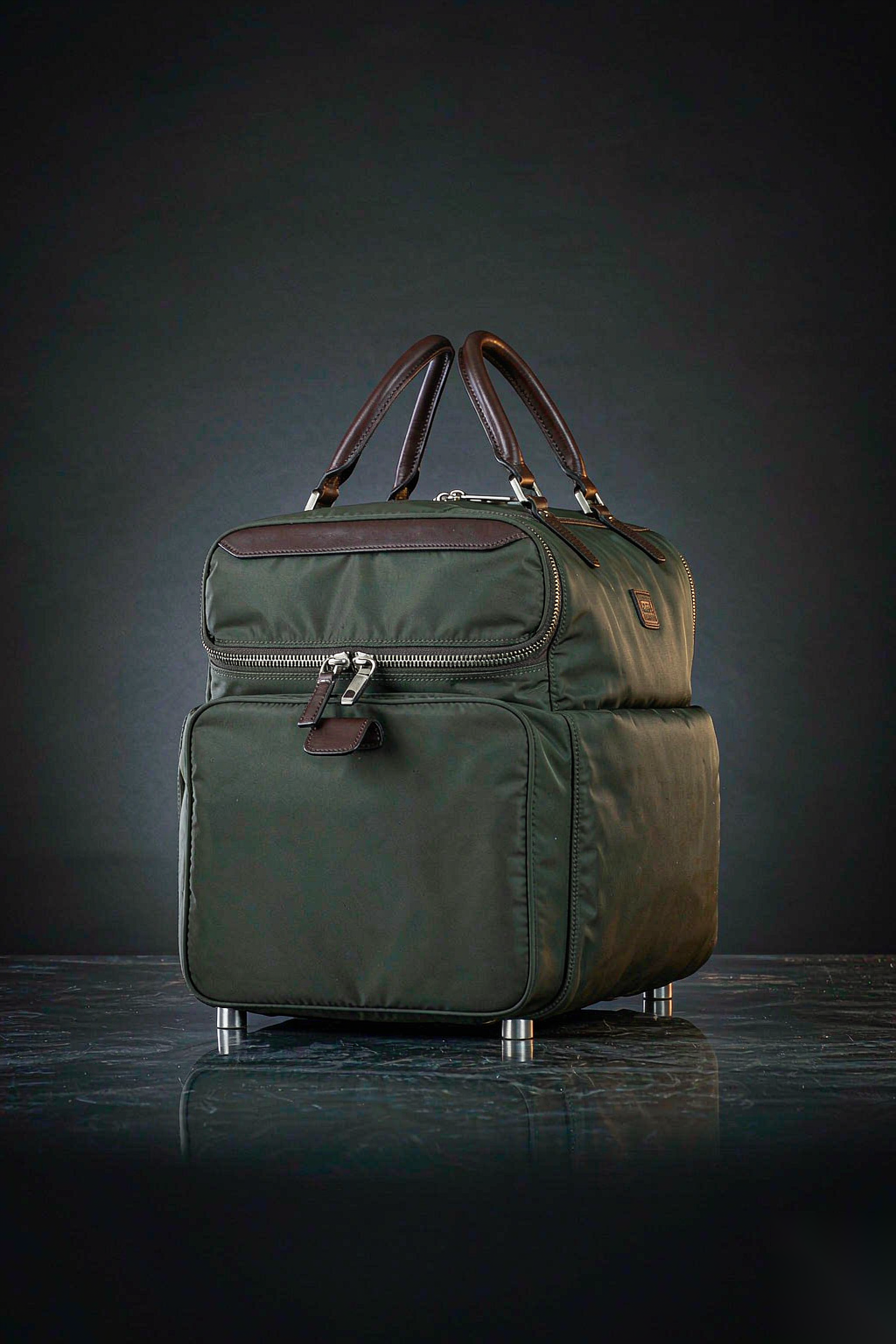
A women's work tote is the most design-constrained bag in the category: it must carry a laptop, lunch, gym gear, cosmetics, and a water bottle — while looking like a professional accessory, not a gym bag with a laptop shoved in it. Women's work tote development balances load capacity against aesthetic requirements in ways that unisex laptop bags never attempt. Here is the development framework that produces a tote a professional woman carries every day.
The Load Reality: What a Working Woman Actually Carries
Before any design decision, the inventory: a 14-inch laptop (1.5kg), a charger (0.3kg), lunch container (0.5kg), water bottle (0.5kg), cosmetics pouch (0.3kg), gym clothes (0.5kg), phone, keys, wallet, and occasional extras. The total: 4-6 kilograms daily — and the bag itself adds 0.5-1kg.
The development implication: the bag must carry 5-7 kilograms comfortably on the shoulder, hold its shape when set down, and protect the laptop — all while looking like it belongs in a meeting room.
The Structural Challenge: Shape Under Load
A tote that sags when loaded is the #1 quality complaint in this category. The structural spec:
The base. A structured base panel (plastic board or dense foam) prevents the bag from collapsing. The base is the bag's floor and its frame — without structure here, every other feature is irrelevant.
The walls. Medium-weight fabric with an interior lining adds body. Unlined soft fabric slumps regardless of how good the base is.
The top edge. A structured top edge (a fold or a light frame) keeps the opening's shape and prevents the "closing canyon" effect where the top caves inward.
MOQs depend on the product and factory. Tell us what you need and we confirm what is realistic before you commit to anything. The structural requirements are the MOQ's biggest driver — structured totes need stiffer fabrics and more sewing time than soft unstructured ones.
The Laptop Compartment: Protection Without Bulk
A padded laptop sleeve inside a structured tote is a different engineering problem from a dedicated laptop bag — the sleeve must protect without adding the bulk that makes the tote look like a computer bag. The spec:
Suspension padding. High-density foam, 8-10mm (thinner than a dedicated laptop bag because the structured tote's base adds protection).
Position. Against the back wall, where the bag's structure provides an extra layer.
Closure. A Velcro or magnetic closure (not a zipper — zippers add bulk and slow access in meetings).
Size tolerance. Fits a 14-inch device with a slim case — the most common commuter laptop size.
The Organization: Pockets That Match a Working Day
Pocket | Contents | Access |
|---|---|---|
Laptop sleeve | 14-inch device | Back wall, Velcro closure |
Bottle pockets | Water bottle, coffee | Exterior, elastic-topped |
Cosmetic pouch | Makeup, toiletries | Zippered, interior |
Quick-access | Phone, transit card, keys | Exterior, magnetic closure |
Main cavity | Lunch, gym clothes, documents | Wide opening |
Every pocket maps to a moment in the working day — the transit card at the gate, the phone between meetings, the laptop at the desk. A pocket without a defined moment is a pocket the user never uses.
The Style Requirements: The Line That Sells
The aesthetic requirements that make a work tote look professional:
The silhouette. Clean lines, structured shape, no visible external pockets that break the profile.
The material. Vegan leather, coated canvas, or technical fabric in neutral tones — the material should look intentional, not industrial.
The hardware. Minimal and matching — one finish, used sparingly. Our bag hardware guide covers the finish families; work totes favor brushed gunmetal or gold-tone.
The handles. Shoulder-length handles that sit correctly on the shoulder (not too short, not too long) — and enough clearance for a winter coat.
The style requirements are not decoration — they are the reason the bag is carried to a meeting instead of left in the car. A work tote that looks like a gym bag defeats its own purpose.
The Development Sequence
A work tote samples efficiently in two rounds:
1. Spec sheet defining the structural requirements, the laptop sleeve spec, the organization layout, and the material references — before any pattern work.
2. First sample reviewed loaded: fill it with the actual daily inventory and carry it for a full commute. Feel where it sags, where the straps dig, and whether the laptop is protected.
3. Correction round addressing the loaded-carry findings.
4. Bulk with QC on the structural elements — the base, the top edge, and the handle anchors.
Our guide to tote bag development covers the flat-pattern stage in depth, and our development process manages the full pipeline from spec to shipment.
Frequently Asked Questions
What is the ideal work tote size?
Large enough for a 14-inch laptop, lunch, and a water bottle — approximately 38-42cm wide, 28-32cm tall, 12-15cm deep. Smaller sacrifices function; larger sacrifices style.
Should the tote have a shoulder strap in addition to handles?
Optional — some users prefer a crossbody strap for cycling or public transit. But the handles are the primary carry mode and the strap adds cost and complexity.
What is the most common work tote complaint?
"It sags when I put my laptop in." The structural base and the top edge are the two features that prevent sagging — and both are development decisions, not afterthoughts.
The Takeaway
Women's work tote development is a dual-promise: the bag must perform like a laptop bag and look like a professional accessory. The structural spec, the organization layout, and the style requirements are equal priorities — develop all three and the tote becomes the piece the user reaches for every morning without thinking.
