
Quality & Inspection
Zipper Quality for Bags: How to Test, Spec, and Avoid the #1 Return Reason
Zipper failure is the #1 bag return reason. How to spec zipper class, test slider durability, and check zipper quality at the sample review before bulk production.
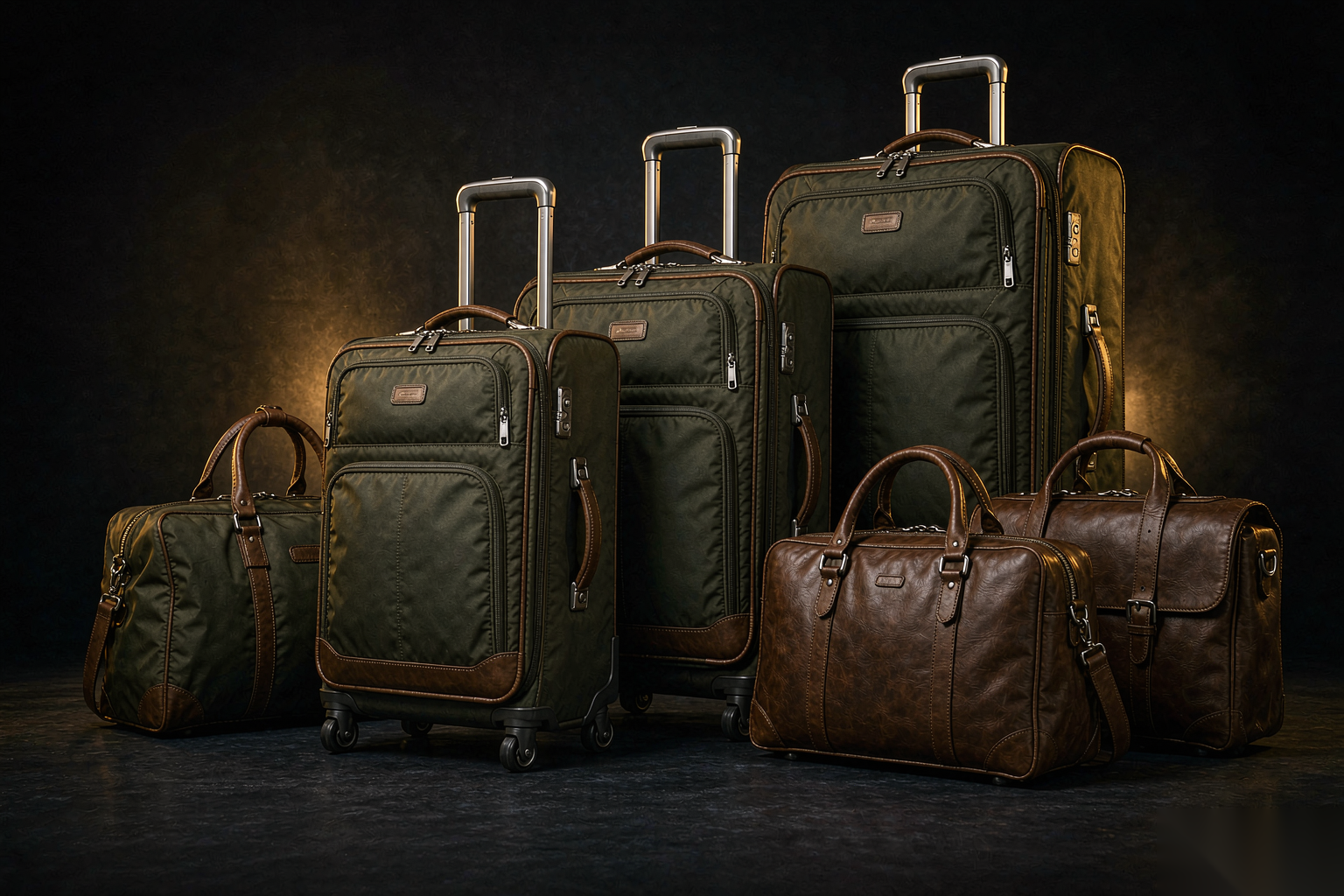
Zipper failure is the #1 bag return reason across every category — backpacks, luggage, totes, duffels. The zipper is the bag's most-used component: opened and closed dozens of times per day, thousands of times over the bag's life. A zipper that jams, separates, or breaks is the complaint no brand survives, because the buyer can't use the bag without it. Zipper quality for bags is therefore the single most important hardware specification — and the one most first-time brands leave vague. Here is how to spec, test, and verify zipper quality before bulk production makes a bad zipper permanent.
The Zipper Anatomy: What You're Actually Specifying
A zipper is not one component — it's four, and each has its own spec:
Component | What It Does | What Fails |
|---|---|---|
Teeth (coil or molded) | The interlocking elements that close the opening | Teeth separate under side load |
Slider | The piece that opens and closes the teeth | Slider breaks, loses retention, or skips |
Pull | The tab the user grips | Pull breaks at the connection to the slider |
Tape | The fabric the teeth are attached to | Tape tears at the sewing line or from abrasion |
Each component has its own quality standard, and the bag's overall zipper quality is determined by the weakest of the four. A premium slider on cheap tape still fails — at the tape, not the slider.
The Zipper Classes: What Each One Means
Zipper classes are defined by the material, size, and construction:
Class | Construction | Strength | Feel | Cost | Best For |
|---|---|---|---|---|---|
Coil (nylon) | Spiral nylon filament sewn to tape | Good; flexible and self-repairing | Smooth, quiet | Low-mid | Backpacks, totes, daily bags |
Molded tooth (Vislon) | Plastic teeth molded to tape | Strong; rigid | Rugged, audible click | Mid | Travel, outdoor, work bags |
Metal (brass, aluminum) | Individual metal teeth | Strongest; heavy | Weighty, premium | High | Leather goods, heritage bags |
Water-resistant coil | Coil with PU laminate on tape | Good + water resistance | Smooth with laminate texture | Mid-high | Outdoor, commuter, marine |
Two spec lines within each class: size (measured in millimeters — #5, #8, #10 are the common bag sizes, with higher numbers indicating larger teeth) and slider type (auto-lock, semi-auto, or non-lock). Auto-lock sliders prevent the zipper from opening under pressure — a critical feature for main compartments.
The Five Zipper Tests: Run These on Every Sample
Each test takes under a minute and catches a specific failure mode:
1. The cycle test. Open and close the zipper twenty times, fast. A zipper that jams, skips, or separates within twenty cycles will fail in use. Pass: smooth operation throughout.
2. The side-load test. Close the zipper, then pull the two sides of the bag apart firmly. A zipper that separates under side load is underspecified for the bag's use case. Pass: teeth stay engaged.
3. The end test. Grip the zipper tape at both ends of the closed zipper and pull. The tape should not tear from the teeth or from the stitching. Pass: tape holds.
4. The slider retention test. With the zipper closed, try to open it by pulling the two tape ends (not the slider). An auto-lock slider should hold. Pass: zipper stays closed.
5. The cold test. If the bag will be used in cold weather, place the zipper in a freezer for 30 minutes and repeat the cycle test. Cheap plastic becomes brittle in cold. Pass: operates smoothly.
Each test maps to a real-world failure scenario: the cycle test predicts daily-use durability, the side-load test predicts overpacking failure, and the cold test predicts winter performance.
The Zipper Spec: Four Lines for the Tech Pack
1. Zipper class and size. Per compartment: "Main: #8 coil, auto-lock slider" / "Front pocket: #5 coil, non-lock"
2. Pull style. "Metal weighted pull" / "Cord pull" / "Leather-wrapped pull" — the pull is a design element as well as a functional one.
3. Zipper brand reference. YKK, SBS, or equivalent — naming a brand class sets a quality floor. Unbranded zippers vary wildly in quality.
4. Color. Zipper tape and slider color, matching or contrasting per the design.
The zipper brand reference is the line that matters most: YKK and SBS are the industry standards, and their quality control is consistent. Unbranded zippers from an unknown source vary from excellent to terrible — and the buyer cannot tell which until the bag is in use.
The YKK Question: When to Insist and When to Compromise
YKK is the world's largest zipper manufacturer, and its quality control is the industry benchmark. But YKK is not always necessary — or available:
Main compartment zippers. YKK or SBS recommended — the quality difference is noticeable and the cost difference is minimal at volume.
Interior pocket zippers. Unbranded acceptable — these zippers take less stress and are less visible.
Specialty zippers (waterproof, oversized, custom pulls). YKK may not have the exact spec; SBS and other manufacturers fill the gap.
The compromise: if YKK is unavailable in the required spec, SBS is the accepted alternative. Unbranded zippers should be sample-tested with the five tests above before bulk is approved.
MOQs depend on the product and factory. Tell us what you need and we confirm what is realistic before you commit to anything. YKK and SBS zippers have their own supply chains and minimums — knowable from the factory before you commit.
Frequently Asked Questions
What is the most common zipper failure?
Slider failure — the slider's spring loosens over time and the zipper opens under pressure. The auto-lock slider feature prevents this. The second most common: tape tearing at the sewing line, which is prevented by bar-tacks at the zipper ends.
How do I know if a zipper is YKK?
YKK zippers have the YKK logo molded into the back of the slider and printed on the tape edge. If the factory claims YKK but the sample doesn't show the logo, ask for documentation — or accept that it's an equivalent quality and test it accordingly.
Can I mix zipper types in one bag?
Yes — different compartments have different needs. A main compartment might use a #8 auto-lock coil; a front pocket might use a #5 non-lock; a wet zone might use a water-resistant coil. The spec should match the zipper to the compartment's use.
What is the difference between #5, #8, and #10 zippers?
The number is the zipper's width in millimeters (approximately). #5 is the standard for most bags; #8 is heavier-duty for main compartments and high-load applications; #10 is for luggage and heavy equipment bags. Larger numbers mean larger teeth and higher strength.
The Takeaway
Zipper quality is the #1 determinant of bag durability — and the #1 return reason when it fails. Spec the zipper class, size, slider type, and brand reference for each compartment. Test the sample with five one-minute tests. And never approve bulk with an untested zipper, because the zipper is the component your customer will test every single day.
