
Industry Insights
Jinjiang Shoe MOQs: What Small Buyers Can Realistically Order
Why Jinjiang shoe manufacturers set MOQs, and what small buyers can realistically order per style.
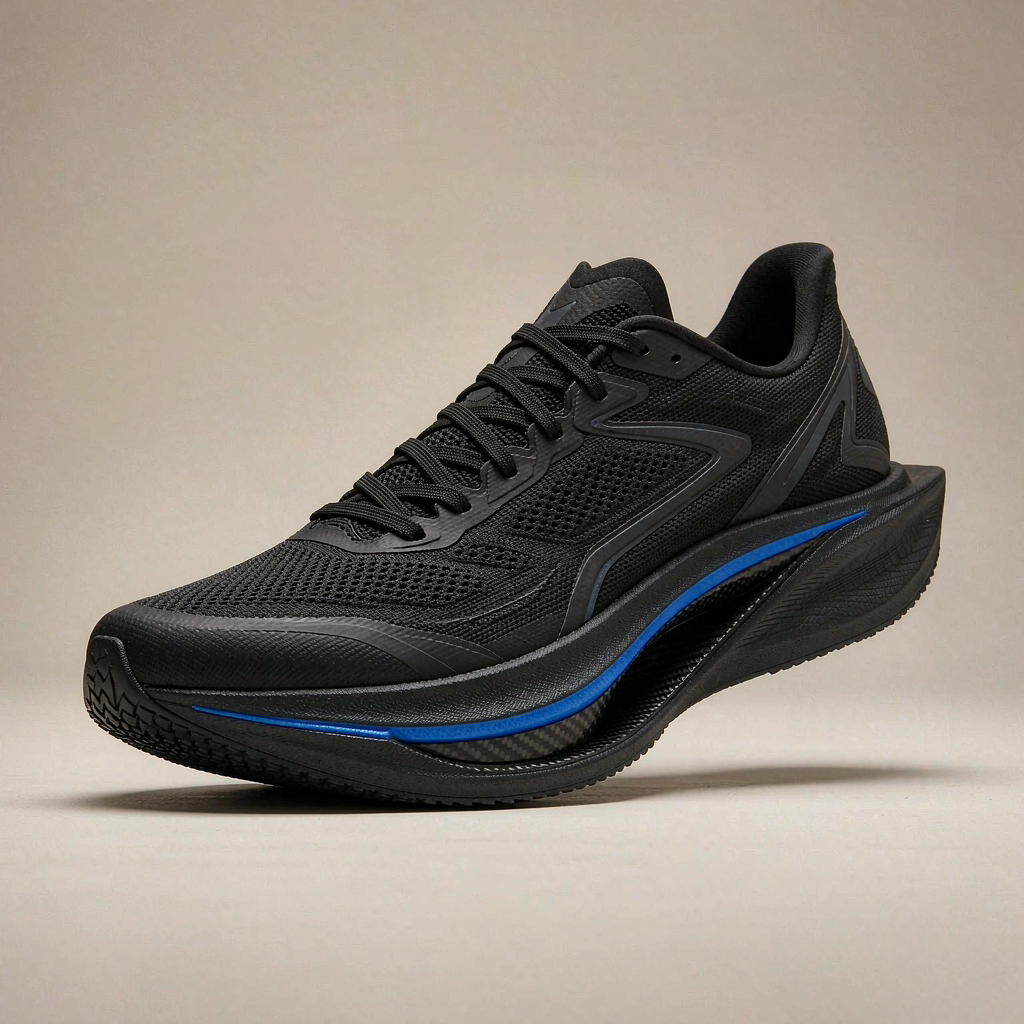
Jinjiang Shoe MOQs: What Small Buyers Can Realistically Order
Search "Jinjiang shoe manufacturers MOQ" and you will find answers that range from a few hundred pairs to several thousand, sometimes for what looks like the same kind of shoe. All of those answers can be true. Jinjiang, a county-level city under Quanzhou in Fujian province, is one of the world's major sports shoe production bases, with thousands of footwear factories supplying global sportswear brands, regional labels, and first-time importers from the same industrial belt. Their MOQs differ because of what is being made and how much tooling it needs, not because of random gatekeeping. This guide explains how MOQs are built in Jinjiang, what each shoe category typically requires, and what small buyers can realistically order.
Why Shoe MOQs Exist: Molds, Lasts, and Line Changeovers
A shoe MOQ is not a marketing tactic. It is the smallest quantity at which a factory's fixed costs make sense.
Three pieces of tooling drive most of it:
- The last — the foot-shaped form a shoe is built around. A new last changes fit, and fit problems only show up after samples are worn and reviewed.
- The outsole molds — usually opened per size or size group. Mold steel is machined before a single pair is sold, so the factory needs volume to recover that investment.
- The cutting dies — one set per upper pattern piece. A complicated upper can mean dozens of dies.
Then there is the pattern room: the team that turns a sketch into patterns, samples, and corrected samples. In every factory this is a bottleneck resource, and a small buyer's new style competes for the same pattern makers' weeks as a major brand's new season.
Every colorway change also stops the line. Machines get cleaned and recalibrated, and the first pieces of a new run carry higher reject rates. Materials add their own minimums. Leather, fabric, soles, and adhesives come in supplier batch sizes, and a small order can leave a factory with dead stock.
Add it up: one style in five sizes and three colors is fifteen small production runs, not one. That is why MOQs are often quoted per color, not per style.
What Jinjiang Shoe Manufacturers Typically Quote by Category
MOQ logic is not uniform across footwear. Construction complexity and tooling depth decide most of it.
Category | Typical MOQ pattern | Why it differs |
|---|---|---|
Athletic and running sneakers | Usually the highest; full custom designs with new molds are commonly quoted in the mid hundreds of pairs per colorway and up | Midsole tooling, complex uppers, many components per shoe |
Casual and lifestyle sneakers | Moderate; often lower when a factory already holds a suitable last and outsole mold | Cemented construction is simpler; existing tooling removes the biggest cost |
Slippers and sandals | Often the lowest, frequently starting in the low hundreds per style | One-piece injection molds, few components, fast changeovers |
Kids' shoes | Lower to moderate | Compact size runs put more pairs into one mold set; materials are simpler |
Boots | Moderate to high | More material types and construction steps than low-cut shoes |
Treat any MOQ figure, here or anywhere else online, as a conversation opener rather than a quote. Real numbers move with the material market, the factory's schedule, and how much customization you ask for.
Full Custom Design vs. Recoloring an Existing Mold
Most MOQ confusion comes from mixing two very different requests.
Full custom means a new last or new outsole molds, new upper patterns, and several sampling rounds. The pattern room needs weeks, mold opening takes more, and the MOQ has to cover tooling that only your order will pay for. It is the slowest and most expensive path, and it is where the highest MOQs live.
Recoloring an existing mold keeps the factory's current last and outsole and changes only the colorway. There is no tooling to amortize, so the MOQ drops to whatever covers materials and one line changeover, which is often dramatically less than a full custom program. Branding still happens: logo placement, laces, sockliner printing, and packaging are all yours to specify.
There is a middle path, and it is where many small buyers land: keep a proven outsole mold and modify the upper, with different materials, panel layout, or stitching. The MOQ sits between the two extremes.
The rule of thumb: every piece of tooling your design touches adds MOQ pressure. Touch none of it, and a small order becomes a normal order.
Why Factories Hesitate on Small Orders
It helps to see the production floor from the factory's side.
A line slot given to a 150-pair run could produce thousands of pairs for a brand that commits every quarter. The setup labor is the same either way, so the small run carries a much higher cost per pair. Early rejects hurt more, too: ten defective pairs out of 150 is a very different problem than ten out of 5,000.
Material minimums work against small orders for the same reason. With an unknown buyer, the factory also invests sampling time and pattern room weeks with no history suggesting a reorder.
Context matters as well. Many Jinjiang factories grew up serving large domestic sportswear brands, and their whole operation, from order sizes to scheduling to the sales team, is built around that. Export small orders are a different business, and not every factory wants it.
Factories that do welcome small orders exist, though: newer workshops filling capacity, and specialists in short runs. Finding them, and being taken seriously when you do, is the real work of small-batch sourcing, whether you go through platforms like Alibaba and 1688, which give you breadth and direct factory listings, or work with a local agent. We compare the two routes in Alibaba vs. a sourcing agent.
How Small Buyers Can Make an Order Work
Small budgets do not have to mean rejected inquiries. These adjustments move the conversation:
- Consolidate SKUs. Two colorways at 150 pairs each is far more attractive to a factory than six colorways at 50.
- Build on existing lasts and outsole molds. Differentiate through color, materials, logo, and packaging instead of new tooling.
- Accept mixed packing. If assorted color-and-size cartons are acceptable instead of solid-carton packing, a factory can fit your goods into the line more flexibly.
- Combine styles in one order. Some factories hold a firm MOQ per style but negotiate when the total order makes the setup worthwhile.
- Simplify the construction. Fewer components and standard soles cut both the MOQ and the defect risk on a short run.
- Get the MOQ confirmed in writing before committing. Include the size breakdown, color split, and packaging requirements. Surprises discovered at order confirmation are what turn small orders unviable.
How We Approach Small Orders at GlobalSala
GlobalSala is a sourcing and export agent based in Quanzhou, Fujian, inside the Jinjiang-Quanzhou shoe belt. We work across bags, footwear, apparel, and hardware and tools. For footwear buyers that means matching your product to factories that actually want your order size, viewing samples and visiting factories in person around Jinjiang, following production, checking goods piece by piece by hand before shipment, and handling the export paperwork.
As we tell every buyer: "MOQs depend on the product and factory. Tell us what you need and we confirm what is realistic before you commit to anything."
For a wider look at the region, see our guide to Quanzhou shoe manufacturers or our footwear sourcing services. If you are planning a first order, send us your style idea and target quantity, and we will tell you honestly what the market can do with it.
FAQ
What is the typical MOQ for Jinjiang shoe manufacturers?
It depends on the product and the factory. Full custom sneakers with new molds are commonly quoted in the mid hundreds of pairs per colorway; recoloring an existing mold can be far lower; slippers and kids' shoes usually sit at the low end. Ask with a specific style and size split, because that is what determines the number.
Why do shoe factories set MOQs per color instead of per style?
Each colorway is a separate production run. Switching colors means stopping the line, cleaning equipment, and recalibrating, and early pieces of a new run carry higher reject rates. One style in five colors is effectively five small runs, so factories protect themselves with a minimum per color.
Can I start a shoe brand without paying for custom molds?
Yes. Many first orders use a factory's existing lasts and outsole molds, then differentiate through colors, materials, logo placement, and packaging. Custom tooling makes sense later, when your order volumes can absorb the upfront mold cost. This is a common path for small brands ordering from Jinjiang.
How is quality checked on a small shoe order?
Standard practice is the factory's own inline checks plus a pre-shipment inspection. We check goods piece by piece by hand before shipment as part of our sourcing service. Formal AQL sampling plans apply only if and when agreed between buyer and supplier.
