
Industry Insights
Sneaker Manufacturing in Quanzhou: From Spec Sheet to Shipment
How Quanzhou sneaker manufacturers take a design from spec sheet to production and shipment.
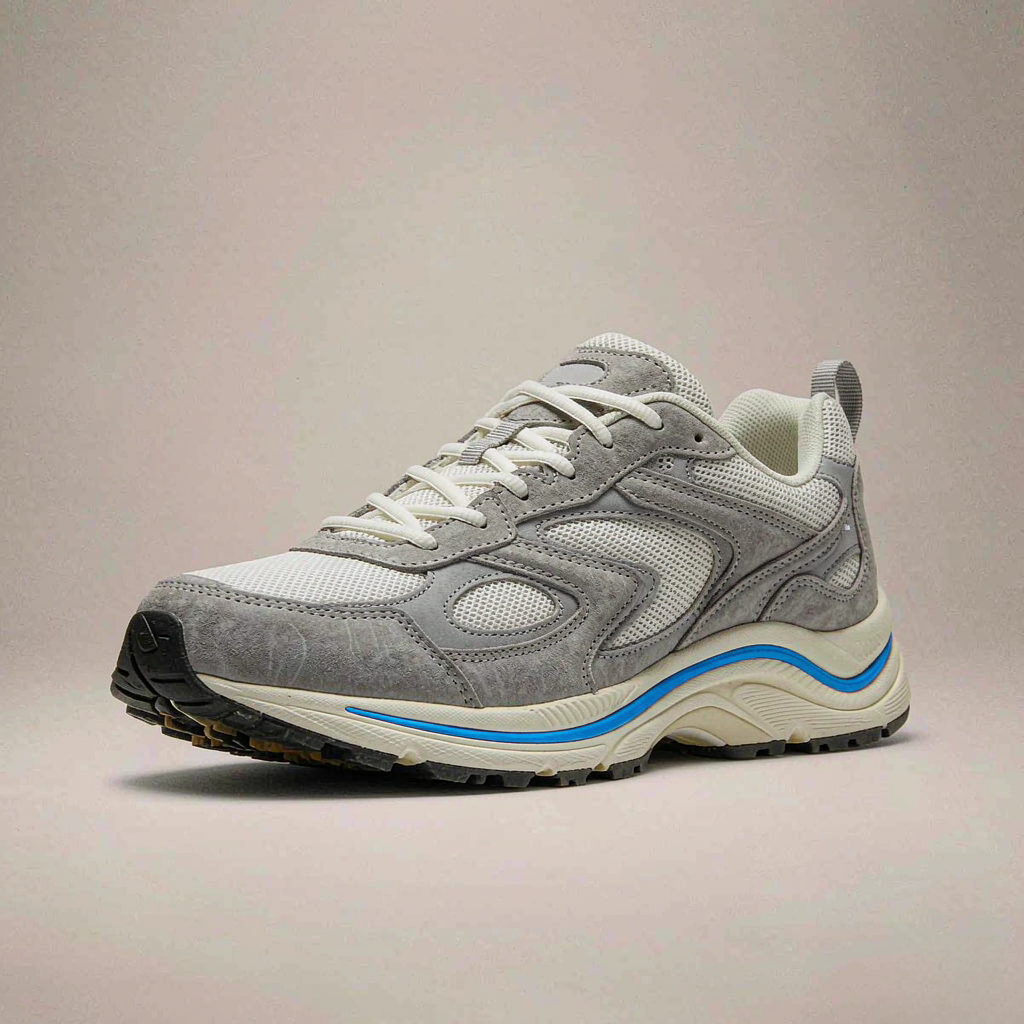
Sneaker Manufacturing in Quanzhou: From Spec Sheet to Shipment
Quanzhou, on the coast of China's Fujian province, has spent decades producing athletic and casual footwear for buyers around the world. Quanzhou sneaker manufacturers range from small workshops that make a single component — an outsole, an upper, a foam part — to full-package factories that take a design through to packed cartons. That range works in a buyer's favor, but only if you arrive with a clear spec sheet, a realistic sample plan, and a checklist for shipping day.
This article walks the journey in order: what belongs in a spec sheet, how development and sampling run, how outsoles meet uppers, what production follow-up involves, and which details go wrong most often.
Quanzhou's sneaker cluster, in plain terms
Most of the region's footwear capacity sits in and around Jinjiang, a county-level city under Quanzhou, and the neighboring towns. What makes the area competitive is not any single factory — it is density. Upper material suppliers, outsole makers, foam processors, lace and eyelet vendors, box printers, and freight forwarders all operate within a short drive of one another.
For a buyer, density shows up in three practical ways. Material substitutions get resolved in days rather than weeks. Changes during sampling cost less, because pattern rooms and mold shops are nearby. And capacity can flex, since factories in the cluster share components and subcontract when lines run hot.
Some of China's best-known domestic sportswear businesses grew out of this cluster, and the ecosystem built around them — tooling shops, material markets, experienced sample rooms — is available to smaller overseas buyers too.
For a wider look at the region's footwear industry beyond sneakers, see our guide to Quanzhou shoe manufacturers.
How Quanzhou Sneaker Manufacturers Quote From a Spec Sheet
A factory can price a shoe from a sketch. What you get back, though, is a quote built on assumptions — and when three factories assume three different things, the quotes cannot be compared. The fix is a spec sheet, often called a tech pack. It is the document every serious sneaker manufacturer in Quanzhou will ask for before committing to a price.
At minimum, cover these sections:
Section | What to specify | Why it matters |
|---|---|---|
Last and fit | Last code or a reference shoe, toe shape, heel height, size range and grading | The last is the foot-shaped form everything is built on; changing it later restarts development |
Upper materials | Leather, synthetic, or mesh per panel; thickness; color codes plus physical swatches | Material choice drives price, and it sets the color consistency you can realistically expect |
Outsole and process | Rubber, TPR, or EVA; the construction method (covered in the next section) | Process choice affects cost, weight, tooling budget, and how the shoe wears |
Branding | Logo method and placement: embroidery, heat transfer, screen print, metal hardware | Small branding changes can reorder steps on the production line |
Packaging | Inner box spec, hangtags, tissue paper, desiccant, size labels | Packaging errors surface at customs or on the shelf, not at the factory |
Carton markings | Size-run assortment per carton, shipping marks | Marks that do not match the packing list slow clearance and warehouse sorting |
One honest note: factories quote what you specify. Leave the color code open and the factory picks a color. Leave the packing assortment open and the factory picks that too — and its choice will be the convenient one for it, not for you.
Development: lasts, patterns, and sample rounds
Development is where a design stops being an idea. At most sneaker factories in Quanzhou, the sequence runs like this:
- Last selection. Use one of the factory's existing lasts or commission a new one. A new last means new tooling, so plenty of first orders start from an existing shape.
- Pattern making and a development sample. The pattern maker cuts the upper pieces; the sample room assembles a first shoe, usually in substitute materials.
- Fit and look revisions. Return comments in writing, ideally marked on photos. Expect more than one round — that is normal, not a red flag.
- Size set. Samples are made in the smallest, a middle, and the largest size of your range, because grading problems only show at the extremes.
- Pre-production (PP) sample. Made on the production line with bulk materials and the confirmed process. Once approved, it becomes the golden sample — the physical reference both sides measure against later.
Do not let bulk cutting start before the PP sample is signed off. Every dispute afterward gets settled by holding a production pair next to it.
Outsole and assembly: three common constructions
Most sneakers you will source fall into one of three construction families, and factories in Quanzhou commonly run all three.
Cold cement (glued). The outsole unit is molded separately, then bonded to the lasted upper with adhesive and pressure — no heat curing. It is the most common method for running and lifestyle sneakers: outsole designs can change without touching upper tooling. The quality risks are adhesive-related — poor surface preparation or the wrong glue shows up later as delamination or visible glue marks along the bond line.
Vulcanized. Rubber outsole parts, often with a foxing stripe wrapped around the upper, are fused under heat. The result is the flat, flexible feel of a classic canvas sneaker. Because the shoe passes through heat, lighter-colored uppers need attention to color stability.
Direct injection. Molten material — commonly PVC, TPR, or EVA — is injected into a mold that surrounds the shoe, bonding outsole to upper in one step with no glue. Fewer glued joints means fewer bond failures, and the method suits rain boots, sandals, and some casual styles. The trade-off is a higher tooling cost up front.
If you are unsure which direction fits your design, ask factories to price the same spec two ways. The gap between the quotes usually settles it faster than any brochure.
Production follow-up and pre-shipment checks
Once mass production starts, the work shifts from design to discipline — and the final weeks decide whether problems get caught or shipped.
During production, the checkpoints that matter most:
- Material arrival. Compare bulk materials against approved swatches before cutting starts, not after.
- First output. Get photos of the first pairs next to the PP sample and confirm before the line reaches full speed.
- Mid-production walk. A pass through the line halfway through catches stitching tension, glue overflow, and color drift while correction is still cheap.
- Color-batch control. Upper materials from different dye lots vary slightly; make sure lots are not mixed within a single size run.
- Schedule honesty. A factory running behind will offer a new date every week. Daily contact at line level beats weekly reassurance from the sales office.
Before shipment, the finished cartons get checked — manually, item by item:
- Correct pairing: same size, same color, no left/right mixing, labeled size matching the actual shoe.
- Workmanship per pair: stitching, glue marks, symmetry between the two shoes, logo placement.
- Packaging: inner box printing and size labels, hangtags, size-run assortment per carton, shipping marks against the packing list, and carton counts against the invoice.
Buyers and suppliers sometimes set an acceptance threshold such as AQL for whether a batch passes; that applies if/when agreed between buyer and supplier. If you already have a supplier and only need help with the inspection step, email us to confirm what we can support.
Almost every sneaker shipment problem falls into a short list. These four account for most of what we watch for:
Failure point | What it looks like | Where it gets caught |
|---|---|---|
Color variation | Panels or batches that do not match, often from different dye lots | Material arrival check and mid-production walk |
Glue overflow | Shiny or stiff patches where adhesive squeezed out along the bond line | First output and pre-shipment, pair by pair |
Left/right differences | One shoe slightly taller, darker, or a half size off from its partner | Pairing during pre-shipment |
Packaging and shipping marks | Wrong size on the inner box label, assortment errors, carton marks that do not match the packing list | Final packing check against shipping documents |
None of these are exotic failures. All of them are cheaper to catch in a workshop than in your warehouse.
Where a Quanzhou-based agent fits
Everything above can be managed remotely. Each step gets easier, though, with someone standing in the building. A Quanzhou-based sourcing agent typically helps with:
- Shortlisting factories that actually match your spec, rather than whoever ranks first in a search.
- Visiting in person: reviewing samples at the factory, walking the line, checking materials before cutting.
- Following production with daily contact instead of waiting for scheduled updates.
- Running the manual pre-shipment check described above.
- Handling export paperwork and booking so the container leaves with the right documents.
On minimum order quantities, our position is simple: "MOQs depend on the product and factory. Tell us what you need and we confirm what is realistic before you commit to anything."
Marketplaces like Alibaba and 1688 are a reasonable way to discover suppliers and compare listings — that is what they are built for. The gap they leave is physical: nobody is in the workshop while your order runs. We lay out both sides of that trade-off in Alibaba vs. a sourcing agent.
FAQ
What MOQs do sneaker factories in Quanzhou work with?
It depends on the product and the factory. Material minimums, color minimums, and whether outsole tooling already exists all move the number. Share your spec and we will confirm what is realistic before you commit.
How long does sampling take?
Often a few weeks per round, depending on material availability and whether a new last has to be made — a carved last or special-ordered materials stretch the timeline. Plan for more than one round before the PP sample.
Can I get only a pre-shipment inspection?
Possibly — it depends on current scheduling. Email us to confirm what we can support.
Do I need to visit Quanzhou in person?
It helps, especially on a first order, but it is not required as long as someone checks the samples, the line, and the packing on your behalf. What matters is that the physical checks happen somewhere — by you, or for you.
Planning a first sneaker order from Quanzhou? Bring us your spec sheet and we will confirm what is realistic before you commit to anything.
