

Industry Insights
Core Line vs Seasonal Drops: Building a Sneaker Brand That Lasts
Core line vs seasonal drops for sneaker brands—what each does for revenue and identity, the hybrid calendar, and how to balance the two.
Journal
Read buying guides, product notes, material stories, and field updates from the team.
Core line vs seasonal drops for sneaker brands—what each does for revenue and identity, the hybrid calendar, and how to balance the two.
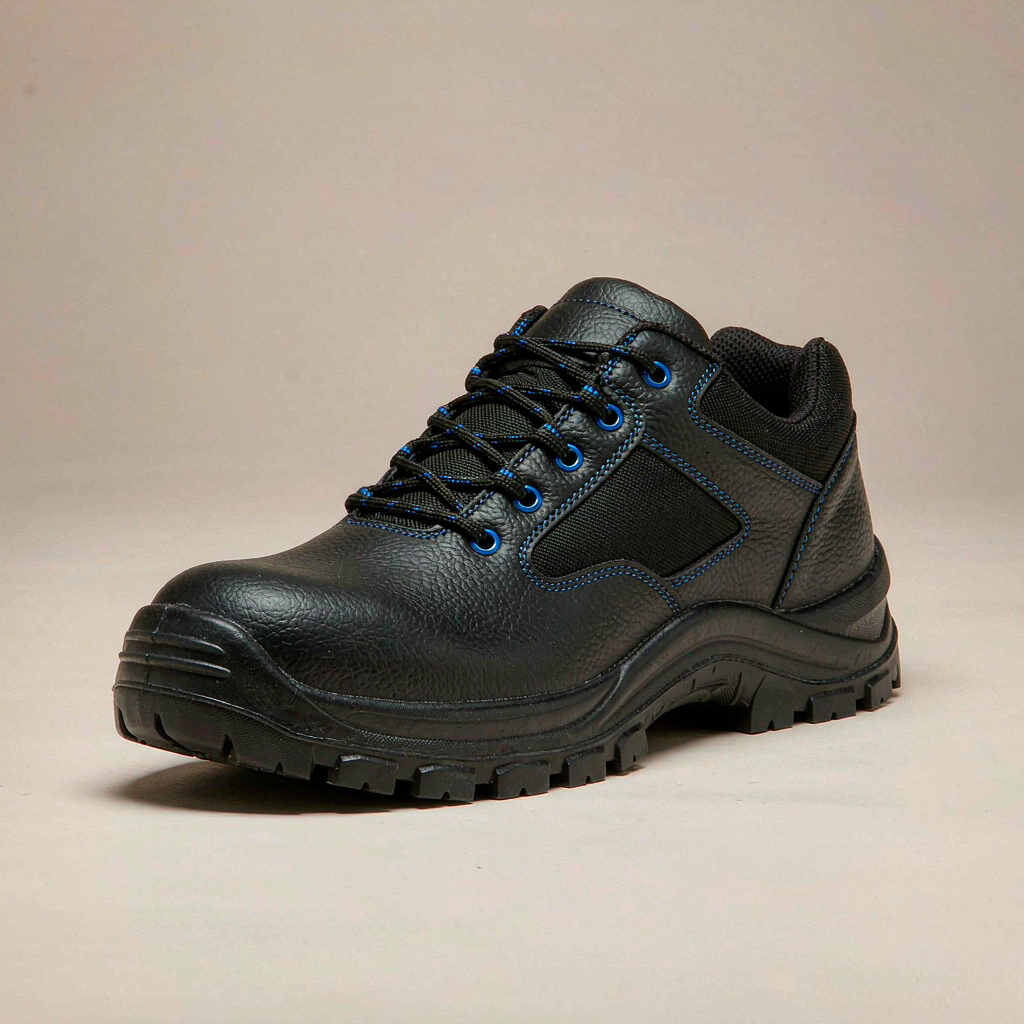
Sneaker margin planning—landed cost math, wholesale vs DTC channel economics, marketplace fees, and how to model margins before pricing.
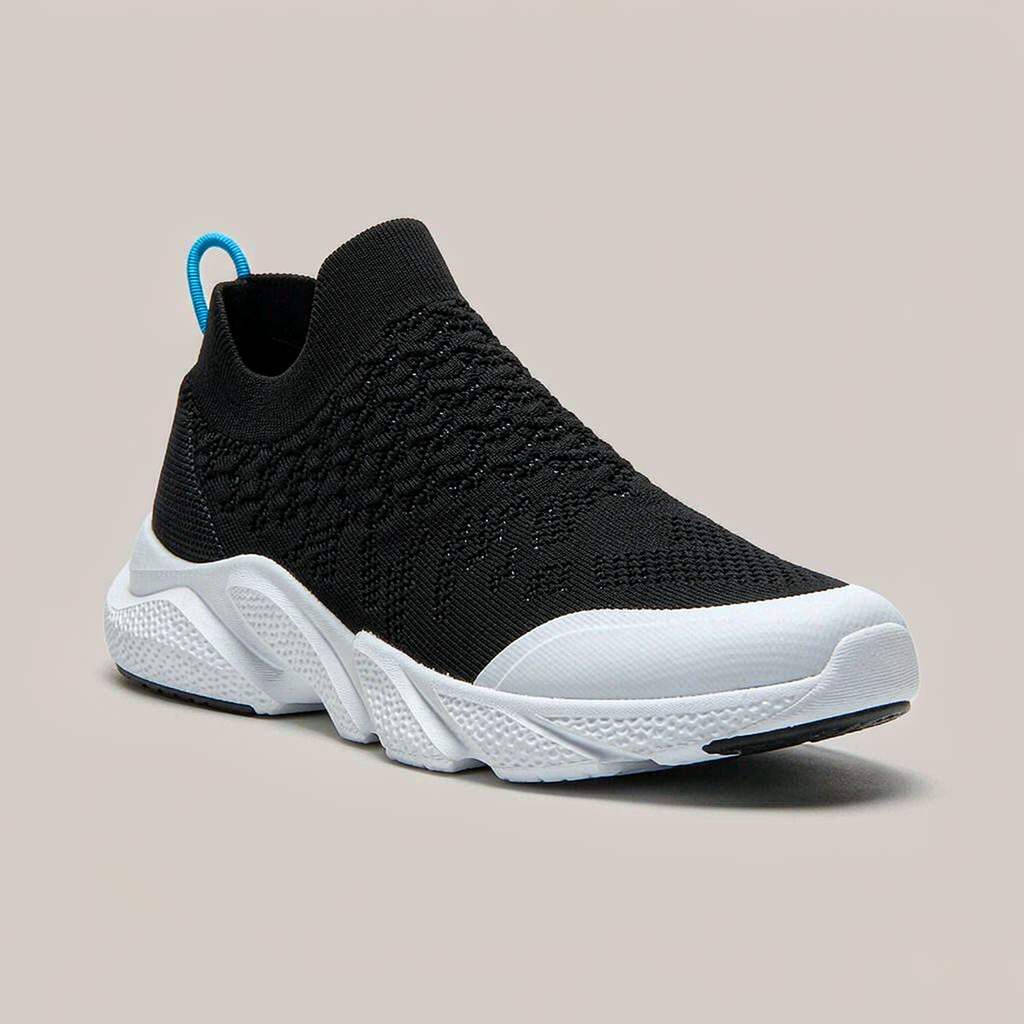
Sneaker pricing explained—cost floors, market ceilings, where premium positioning comes from, and the ladder that structures a line's prices.
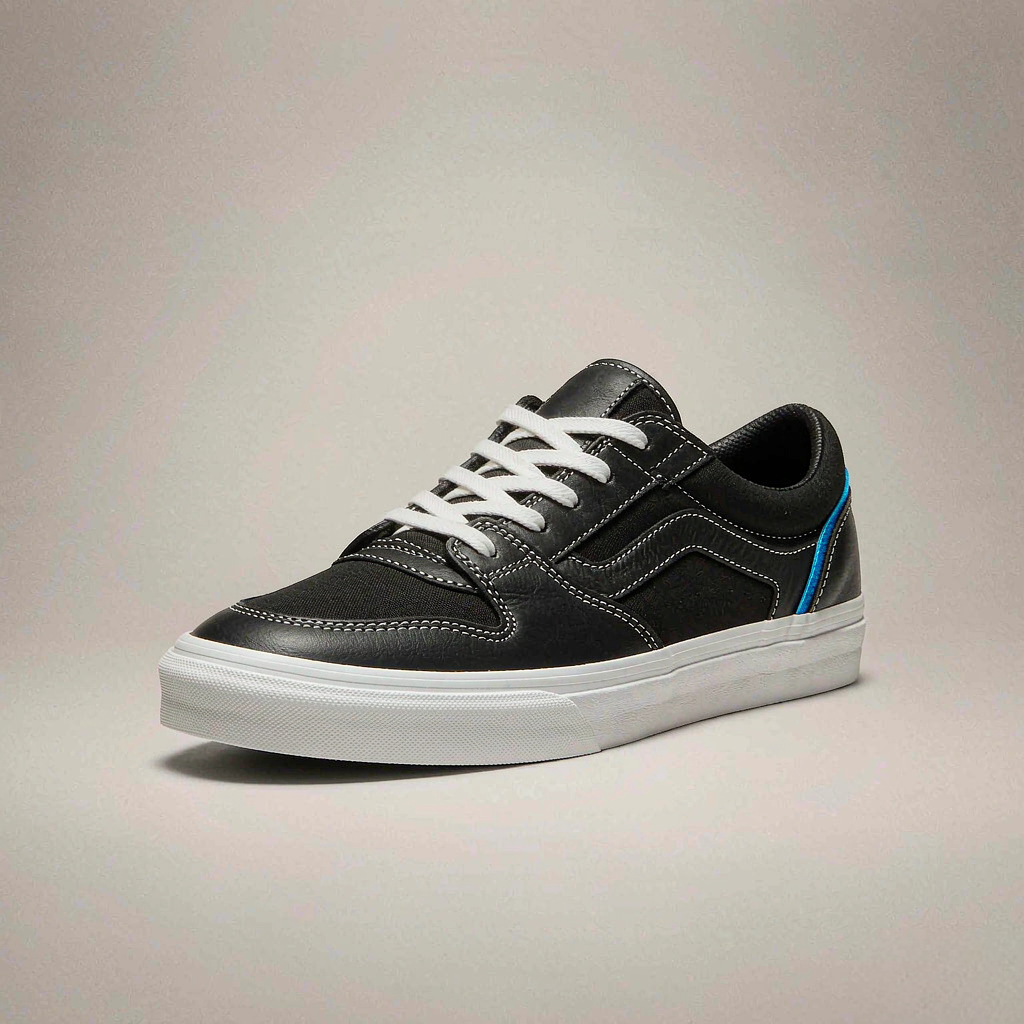
Mold ownership in footwear explained—brand-owned vs factory-owned tooling, how to write ownership terms, and what each arrangement means for switching factories.
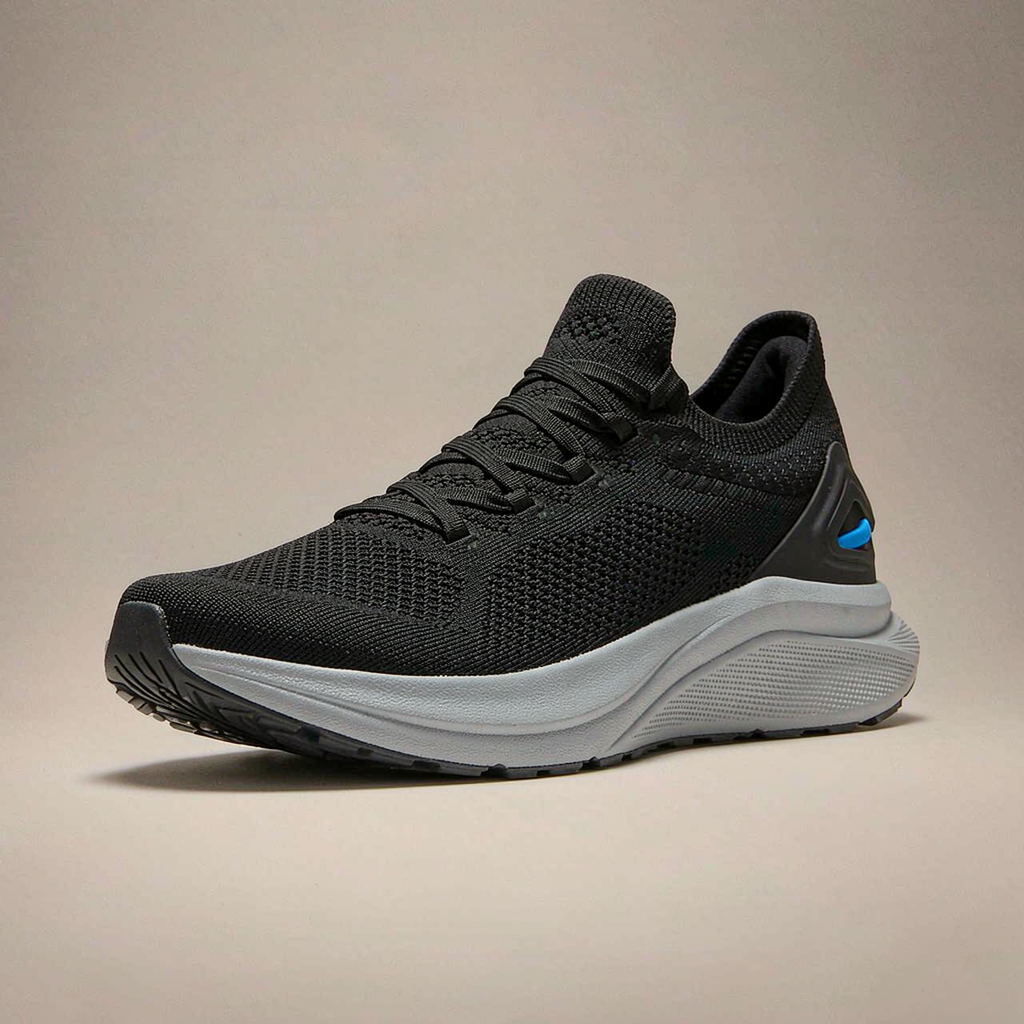
Footwear payment terms explained—deposit and balance structures, trade assurance and escrow options, red flags, and how to structure payments by risk.
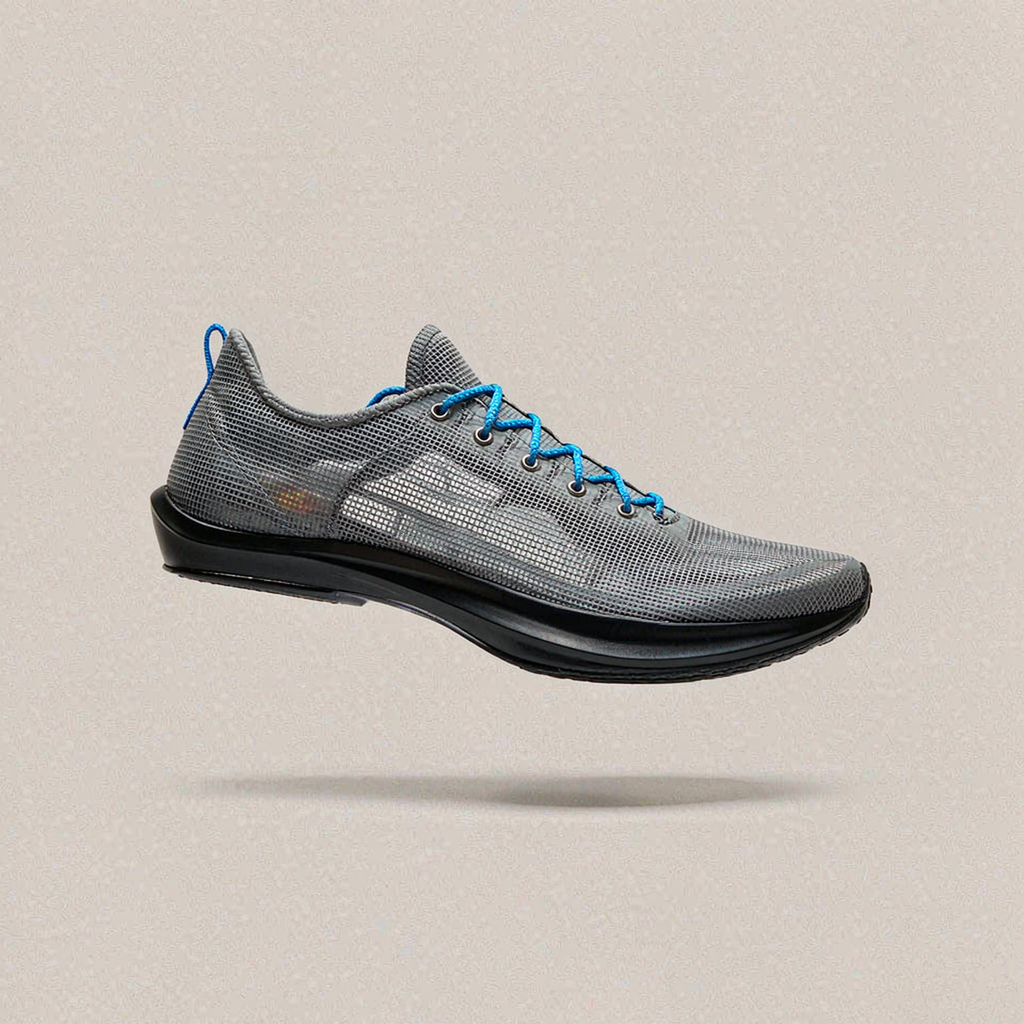
The anatomy of sneaker unit cost—materials, labor, tooling amortization, overhead, and freight—plus how design decisions move each line.

Realistic footwear lead times by phase—materials, sampling, production, freight—plus the factors that stretch them and how to plan buffers.
How to assess a shoe factory's real capacity—lines, workforce, order book, capability fit, and the questions that separate claims from facts.
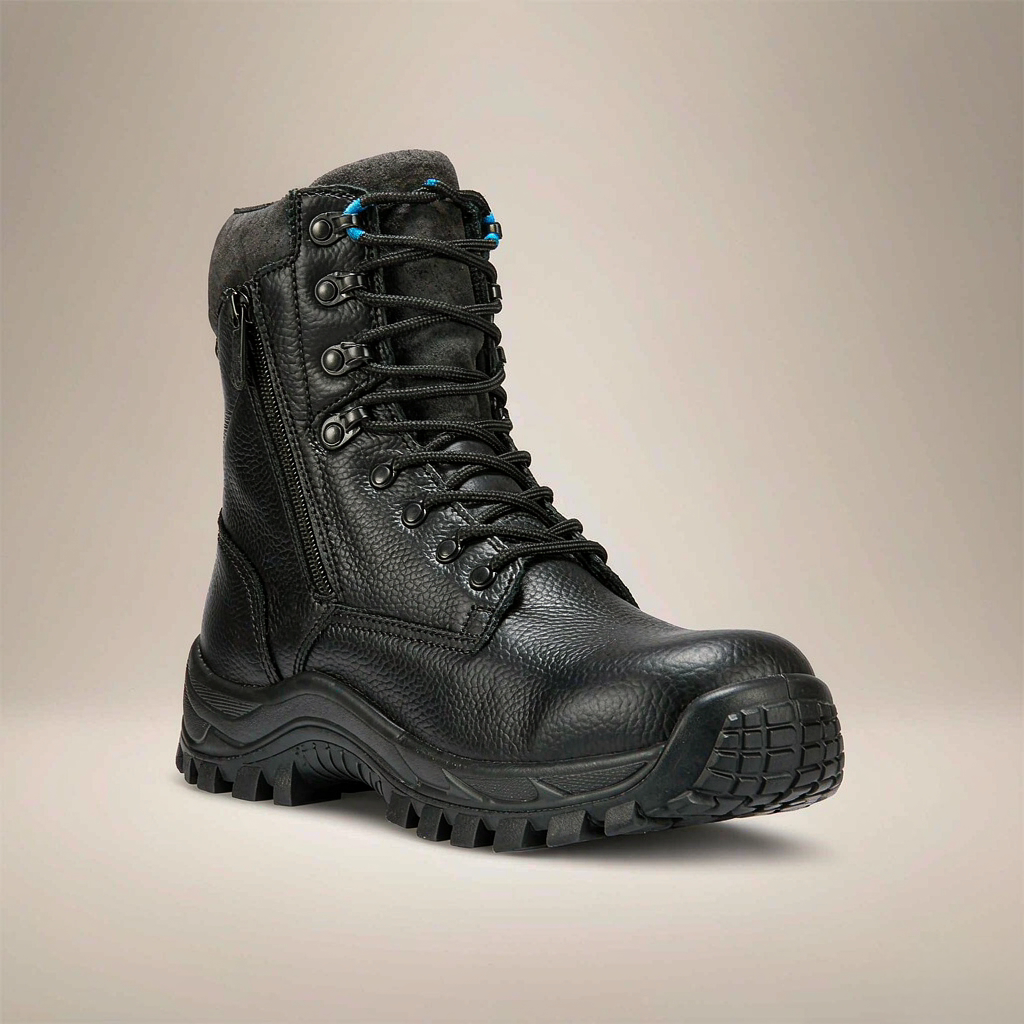
A practical catalog of common sneaker defects—stitching, bonding, lasting, material, and finishing flaws—with causes and inspection checks.

Inline and final inspection compared—what each catches, why final inspection alone fails, and the inspection cadence that prevents defects.