
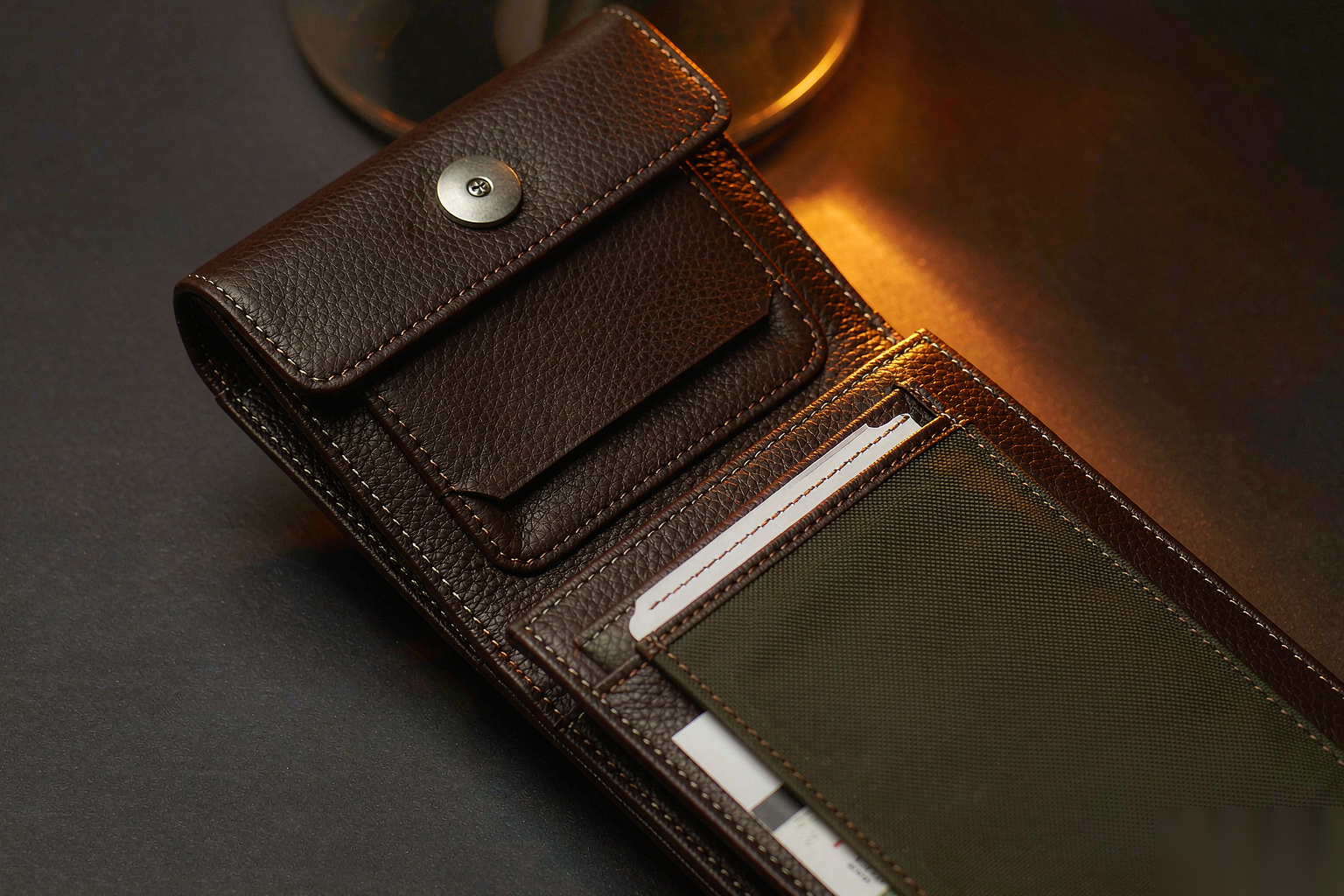
Industry Insights
Anti-Theft Design for Travel Bags: Features That Deter Without Compromising
Anti-theft travel bags fail when security features fight usability. The design features that genuinely deter theft — and the ones that just add weight.
Journal
Read buying guides, product notes, material stories, and field updates from the team.
Anti-theft travel bags fail when security features fight usability. The design features that genuinely deter theft — and the ones that just add weight.
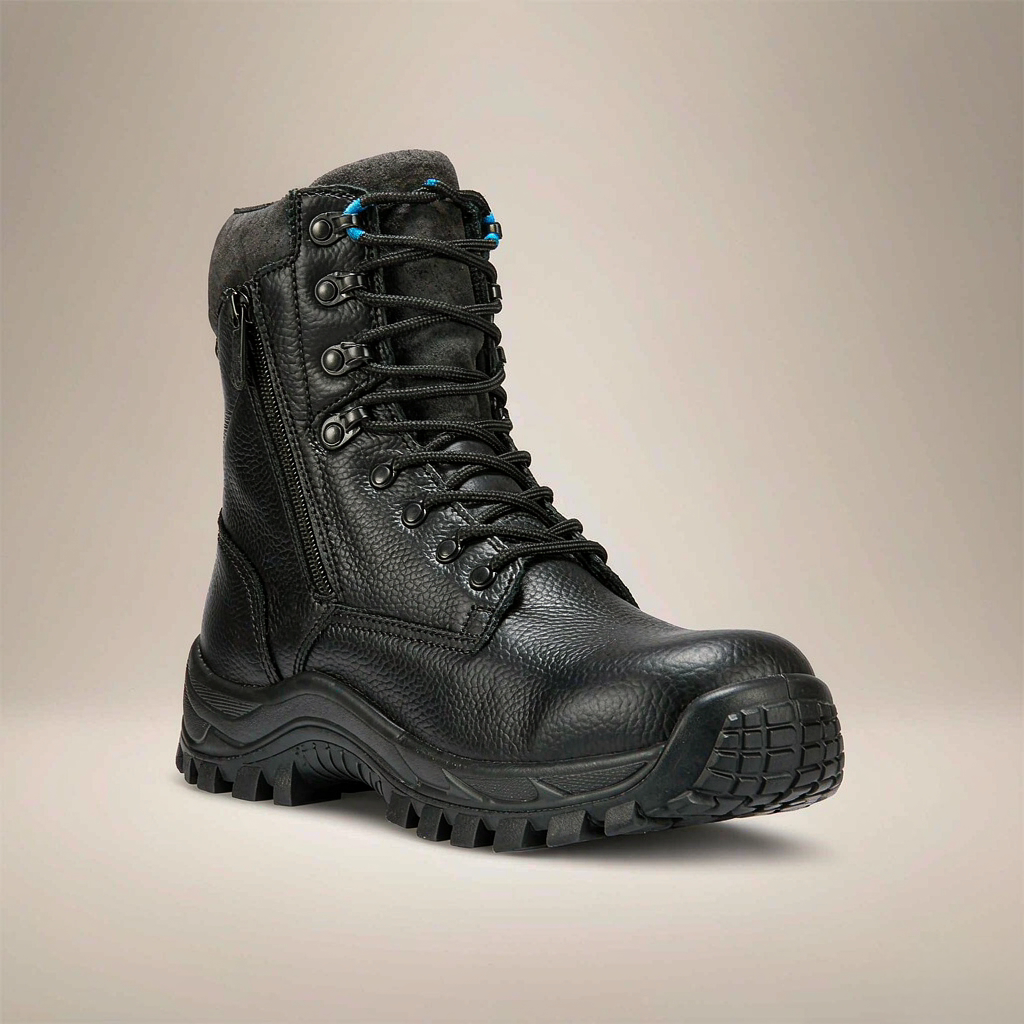
One-off shoe orders restart from zero every time. How to structure a repeatable footwear program—reference pairs, locked specifications, and calendar-aware planning.
Size allocation decides whether a bulk shoe program fits its audience or frustrates it. How to build a size run, handle unisex ranges, and plan for outlier sizes.
Side panel print, tongue embroidery, heel patch, or woven label—how the main footwear branding methods differ, and how to choose placement for bulk programs.
Sneakers have become one of the most requested corporate gift categories. How gift buyers and promotional distributors can structure a bulk footwear program that fits.
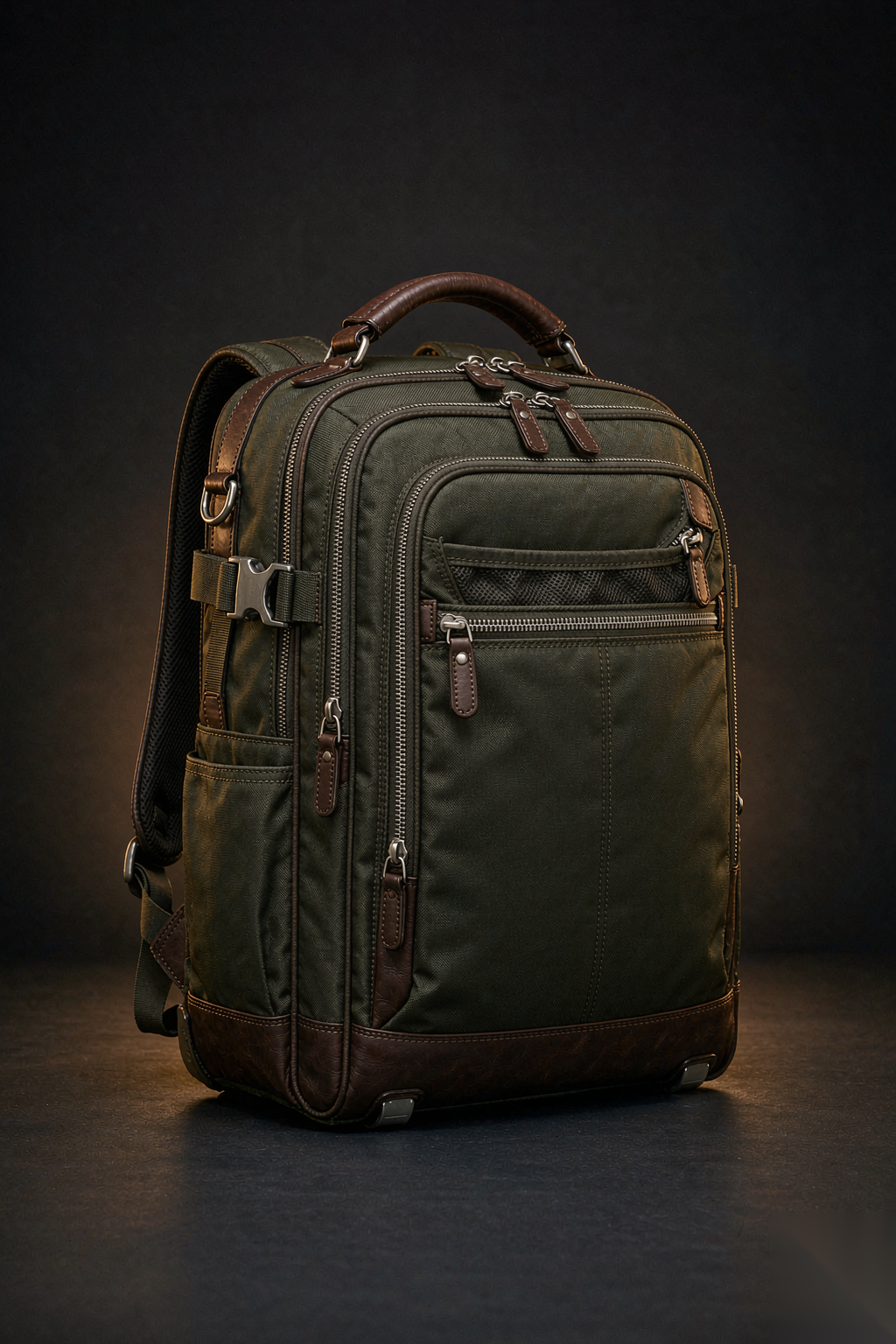
A travel backpack sells on its compartments. The organization architecture — clamshell, book-style, quick-access — that separates travel packs from school bags.
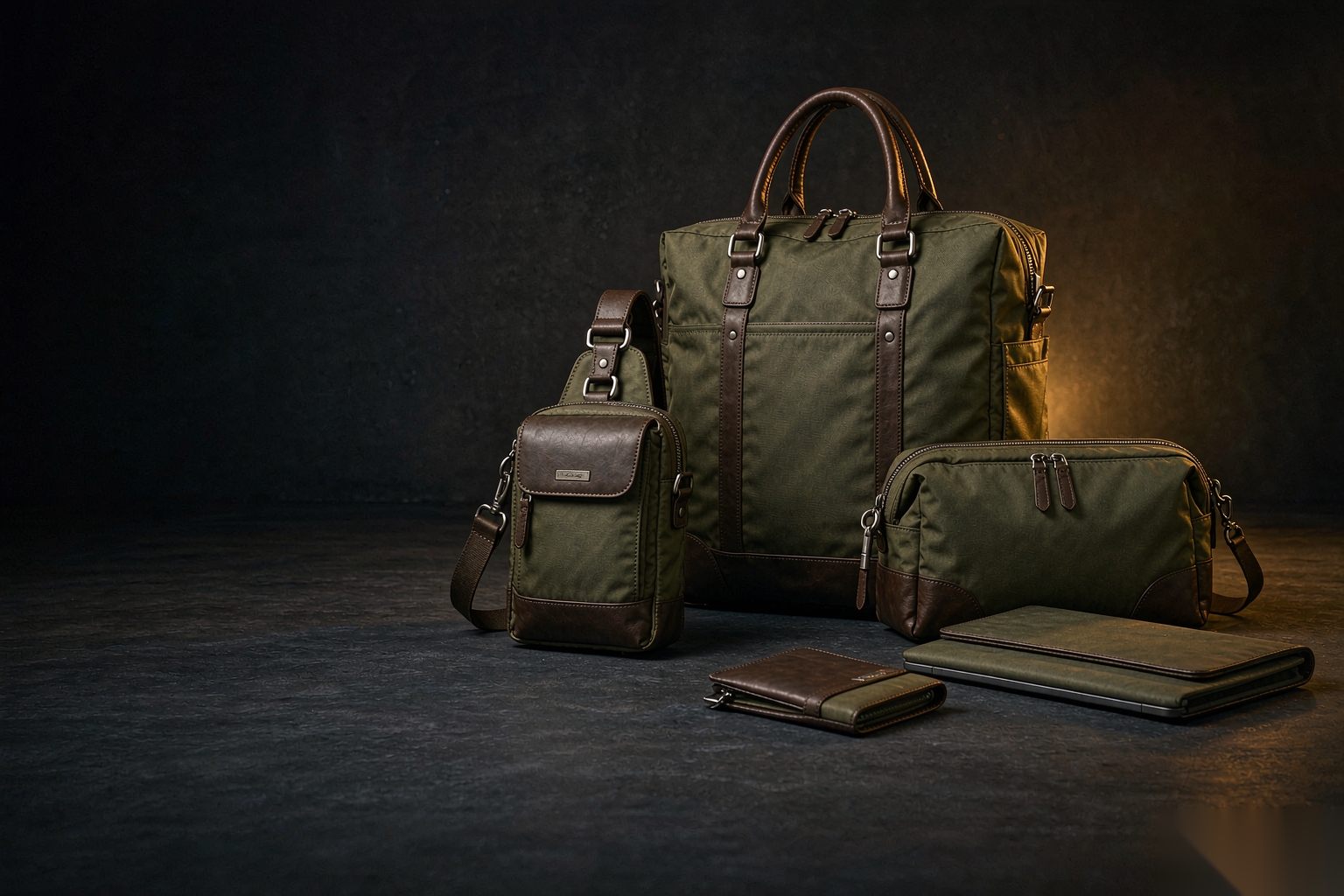
A bag order passes through cutting, sewing, finishing, and inspection — each with its own clock. What the bag production timeline actually looks like stage by stage.
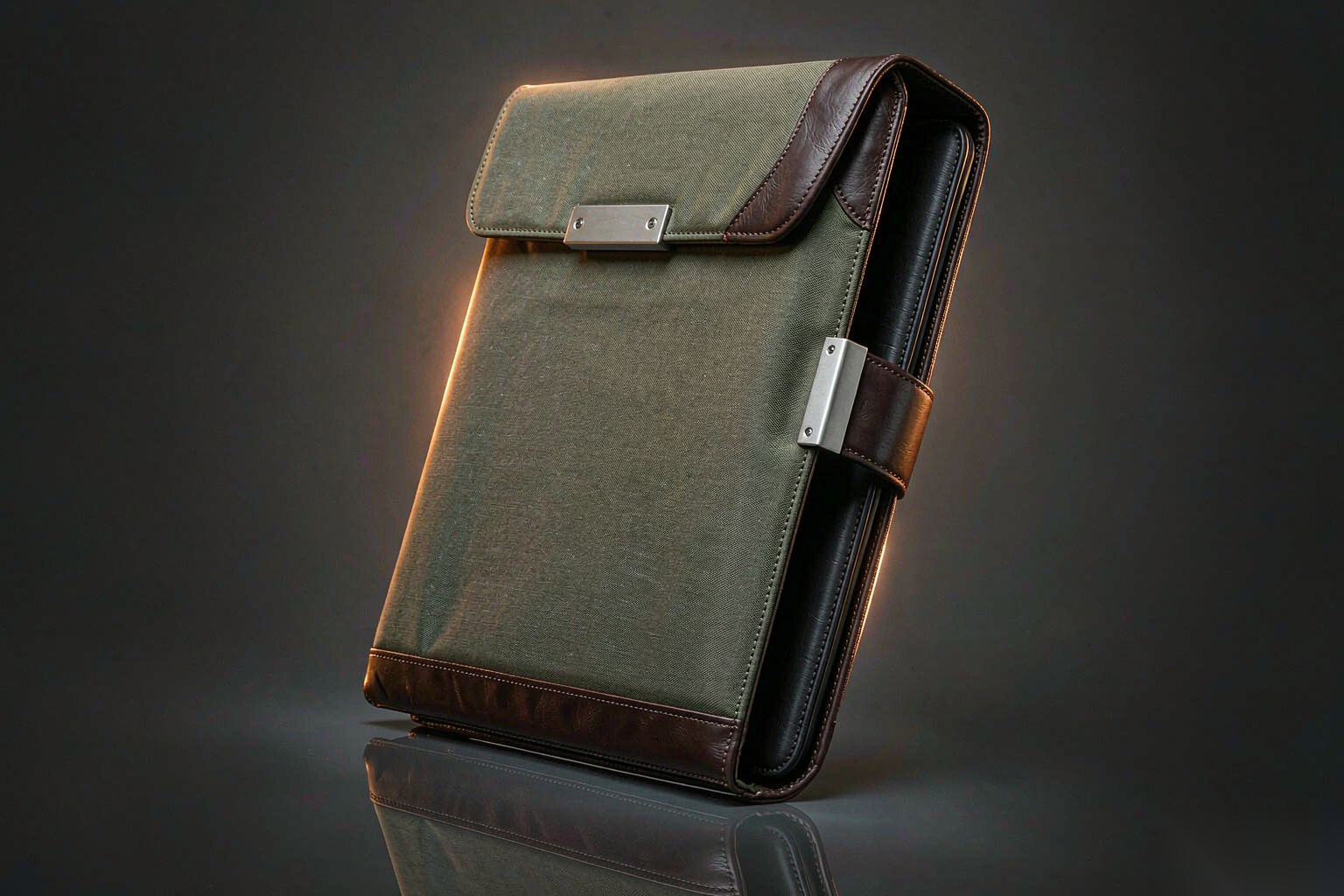
A laptop bag's first job is protecting a fragile, expensive slab. The protection standards, organization layouts, and drop-test logic behind bags that sell on trust.
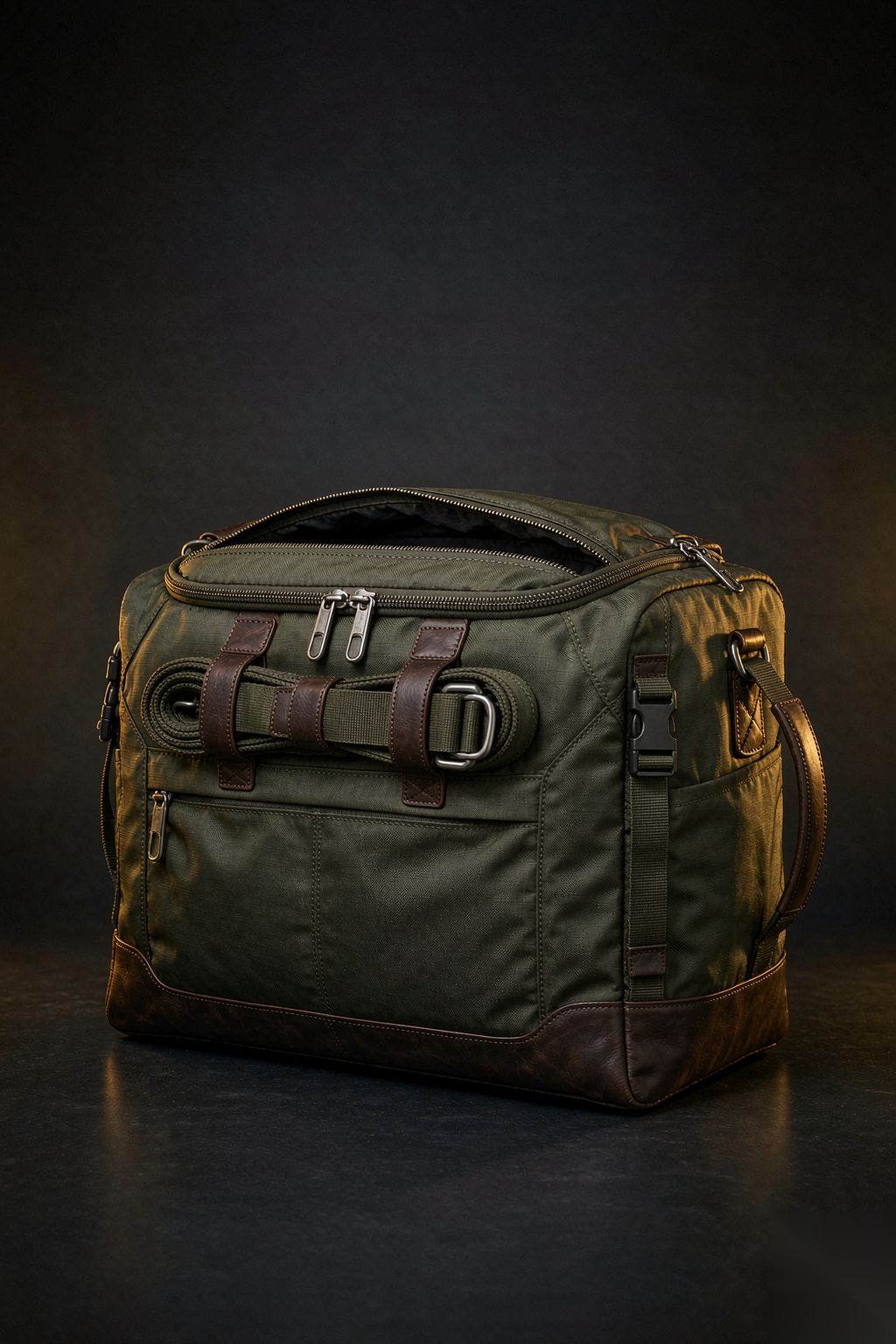
A gym duffel lives with sweat, shoes, and wet towels. The material, ventilation, and compartment decisions that make a gym bag survive its own contents.
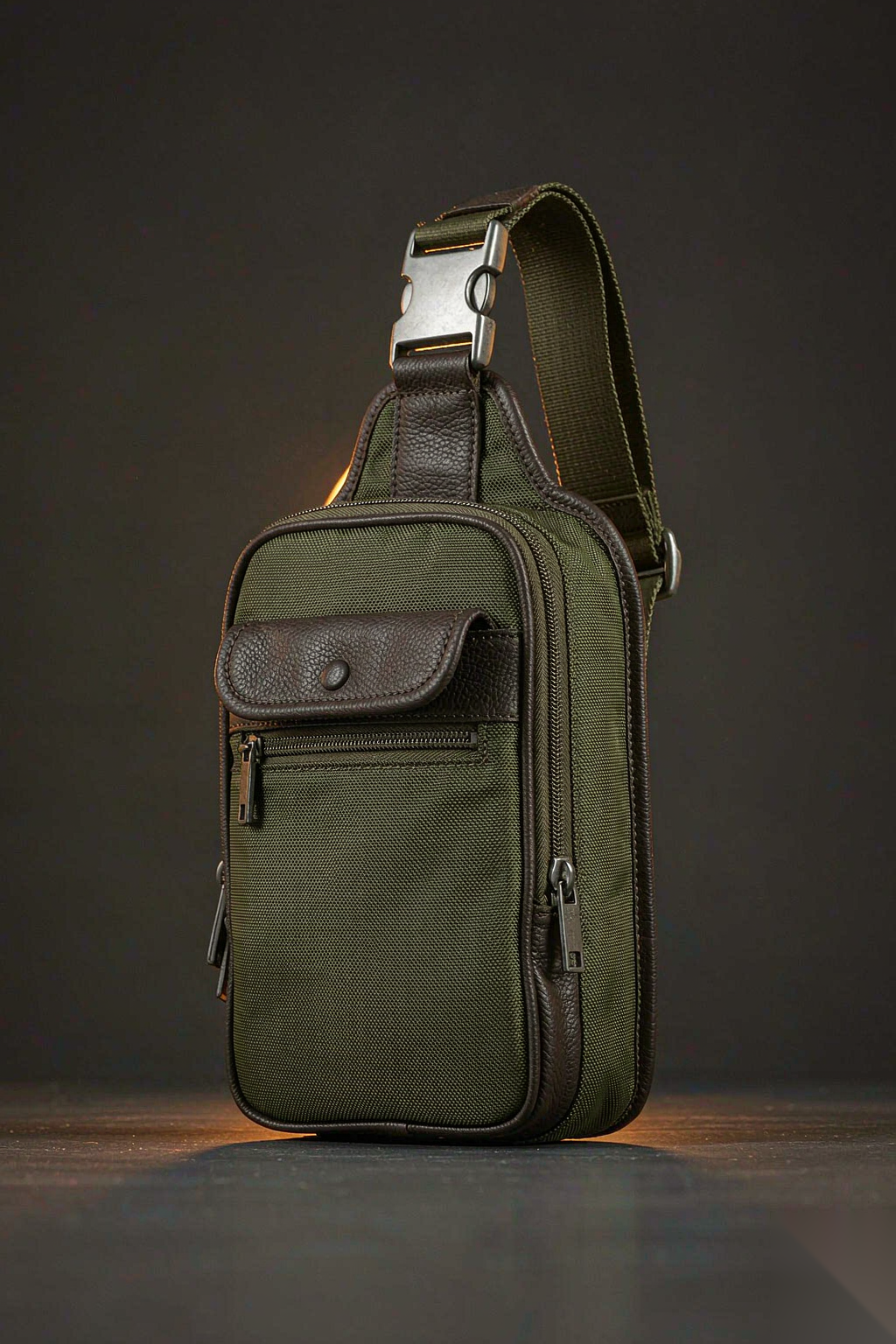
Buyers judge a bag by its hardware before the fabric. The zipper classes, buckle types, and metal finishes that define bag quality — and how to spec them.