
Industry Insights
Knit Sneaker Uppers: Weaving Options and the MOQ Reality
Knit sneaker uppers explained—flat knit vs flyknit-style weaving, sizing behavior, MOQ reality, and how to spec knit for a small brand.
Journal
Read buying guides, product notes, material stories, and field updates from the team.
Knit sneaker uppers explained—flat knit vs flyknit-style weaving, sizing behavior, MOQ reality, and how to spec knit for a small brand.
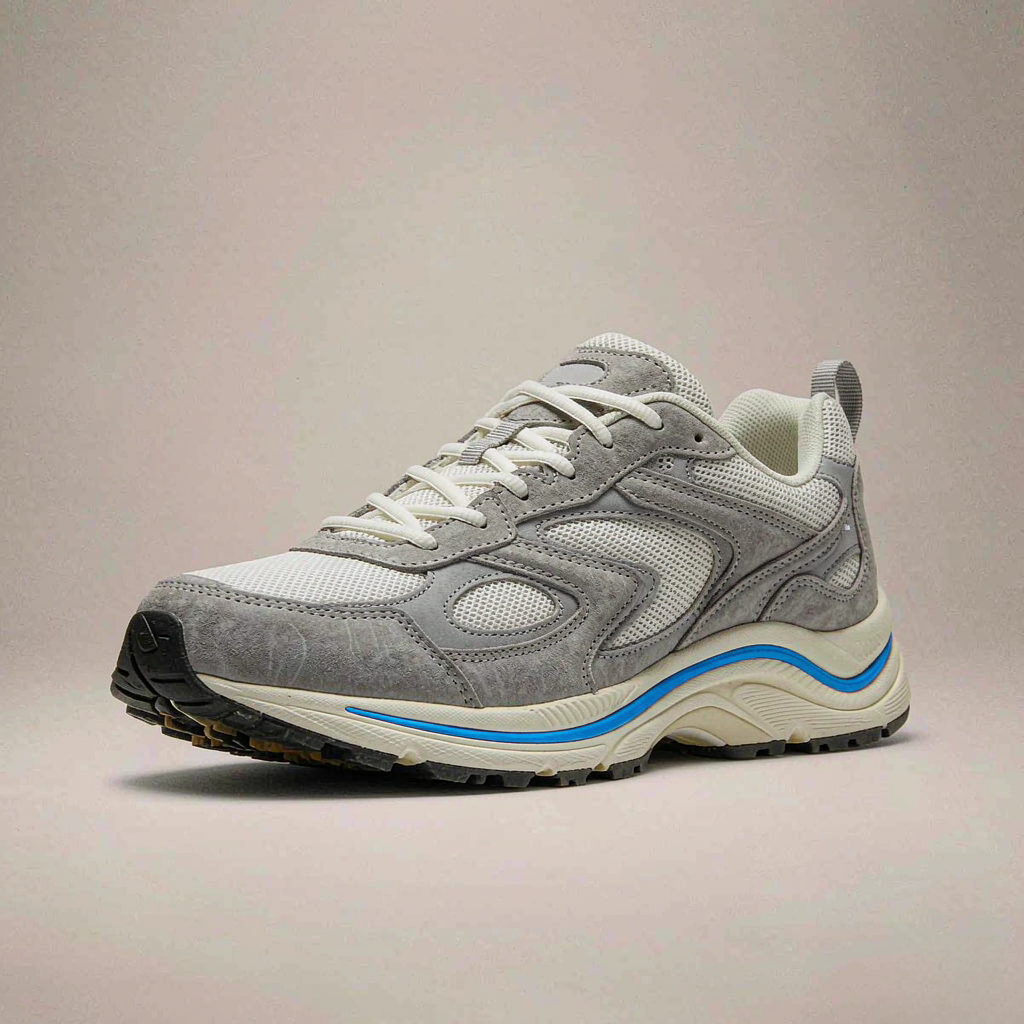
Engineered mesh uppers explained—open vs closed mesh, abrasion zones, no-sew overlays, and how to spec mesh that survives real wear.
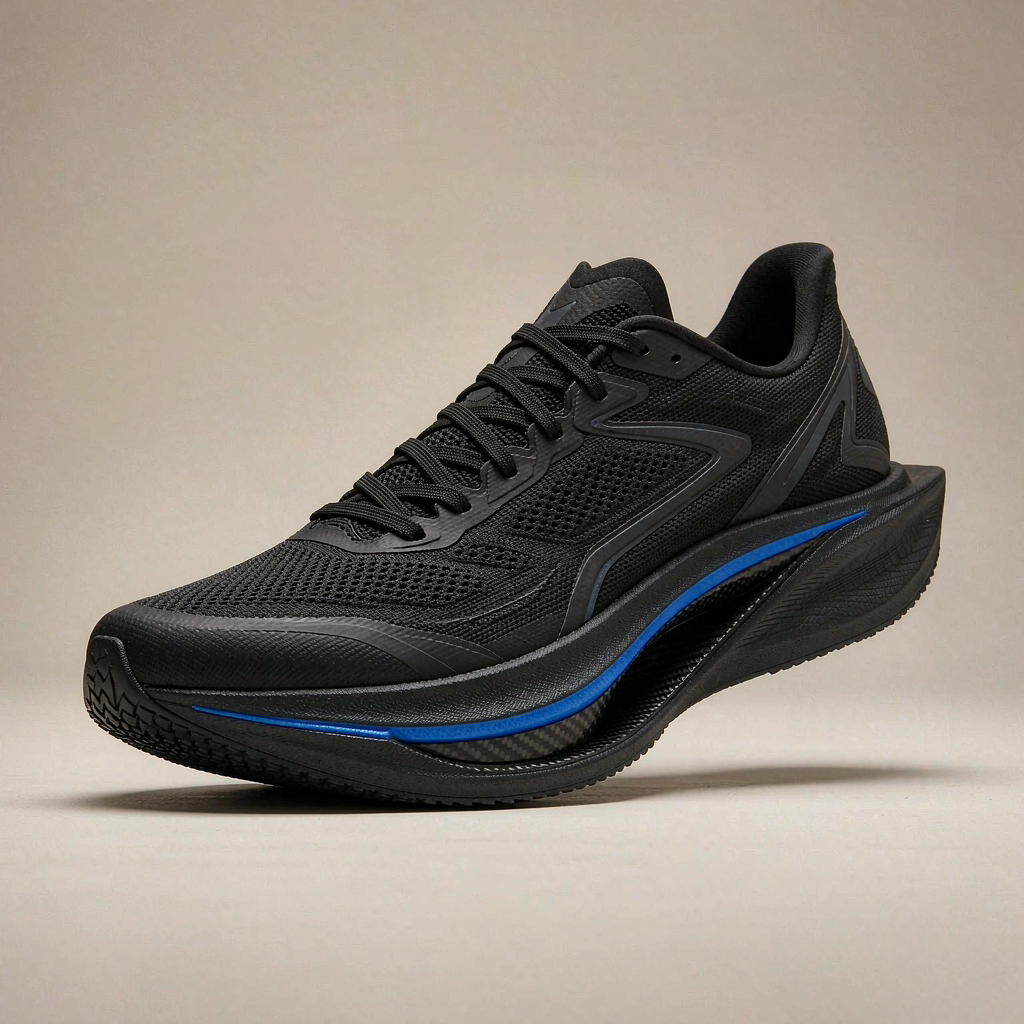
PU leather grades explained—coating thickness, backing fabric, embossing quality—and how to write a PU spec that stops bad substitutions.
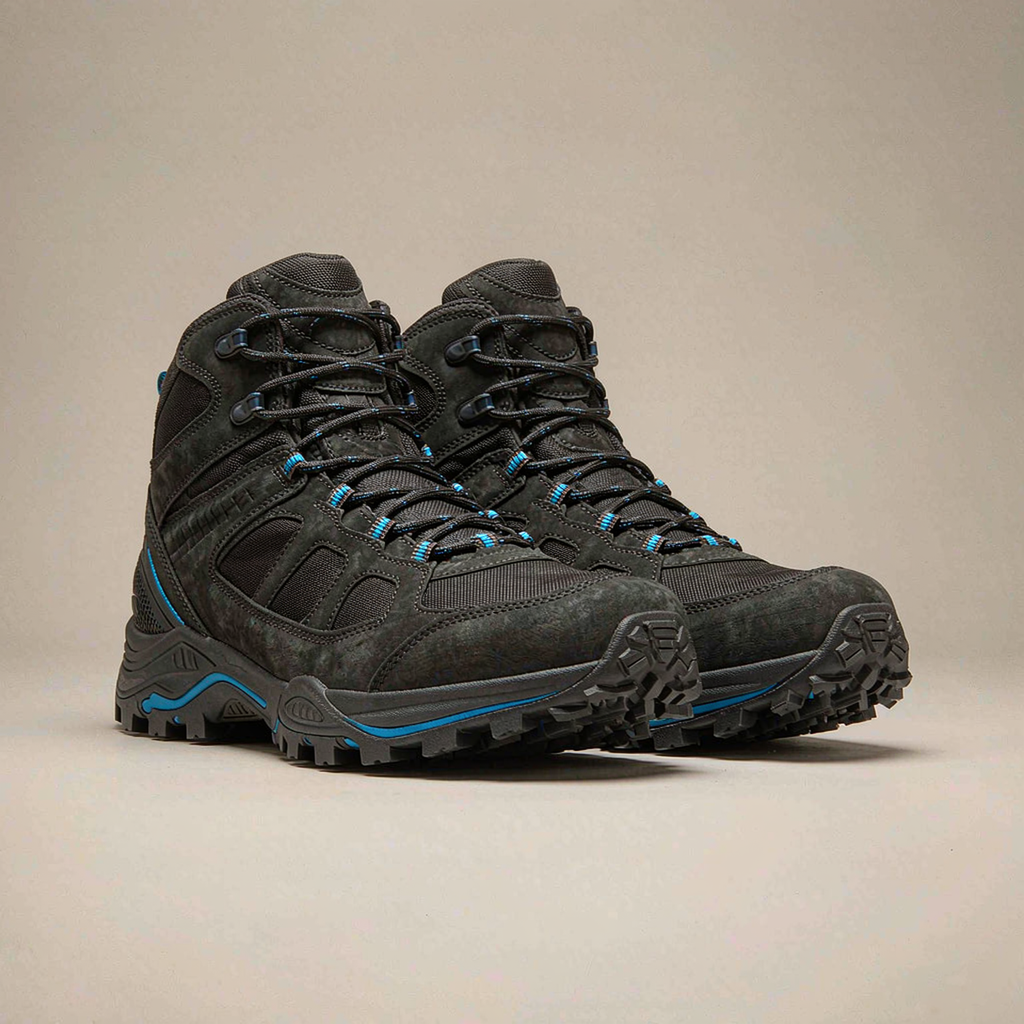
Full-grain, split, and bonded leather compared for sneakers—how each grade looks, wears, and prices, and how to spec leather properly.
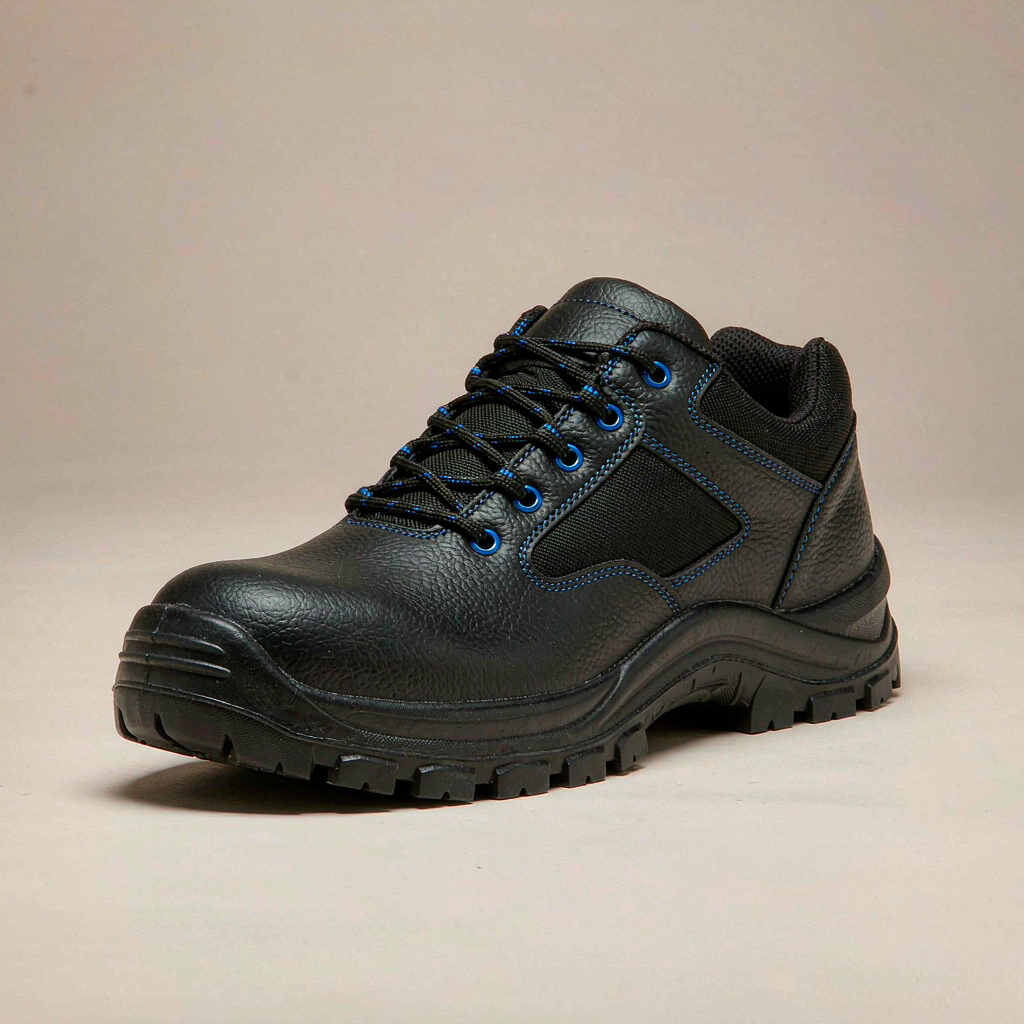
Outsole quality control explained—bond strength, flash limits, hardness consistency, color drift, and the checks that catch sole problems early.
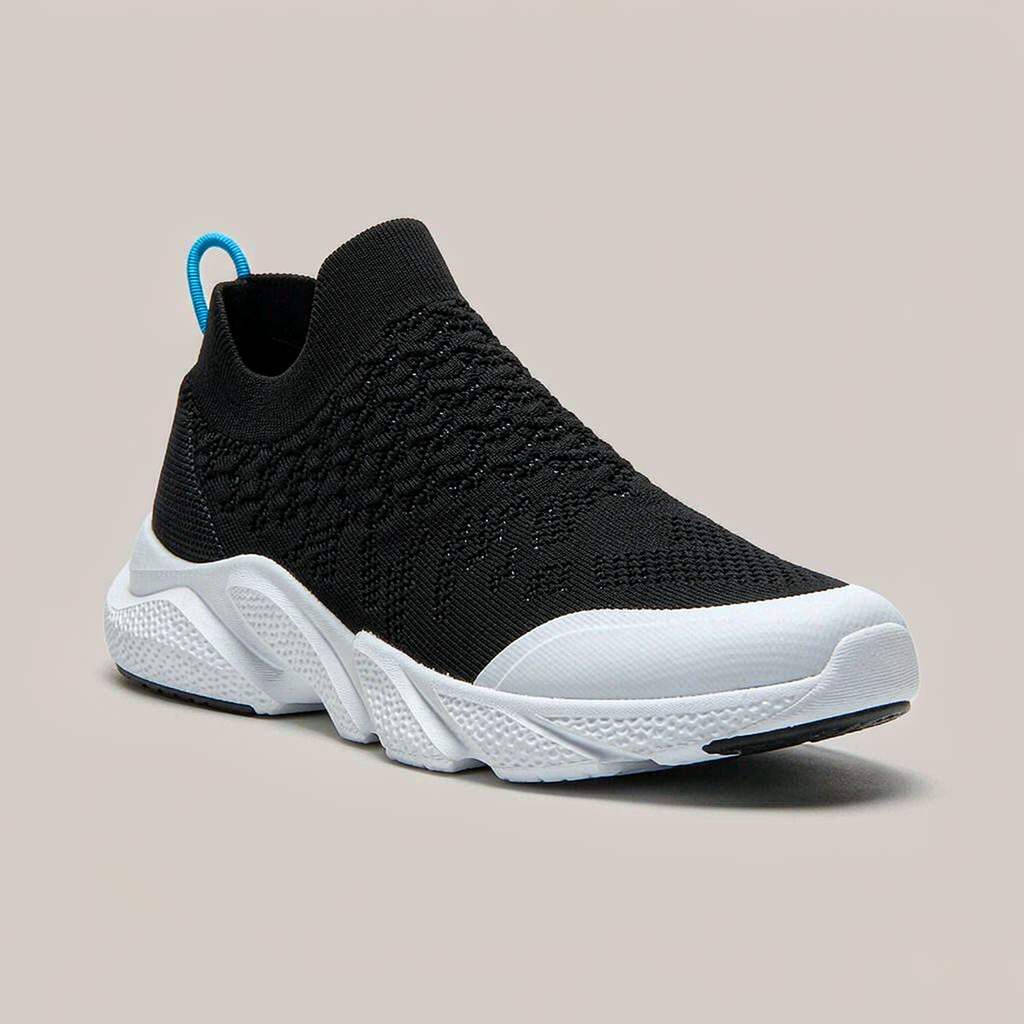
How Jinjiang's outsole supplier ecosystem works—specialist sole factories, mold shops, MOQ behavior, and how to source bottom units well.
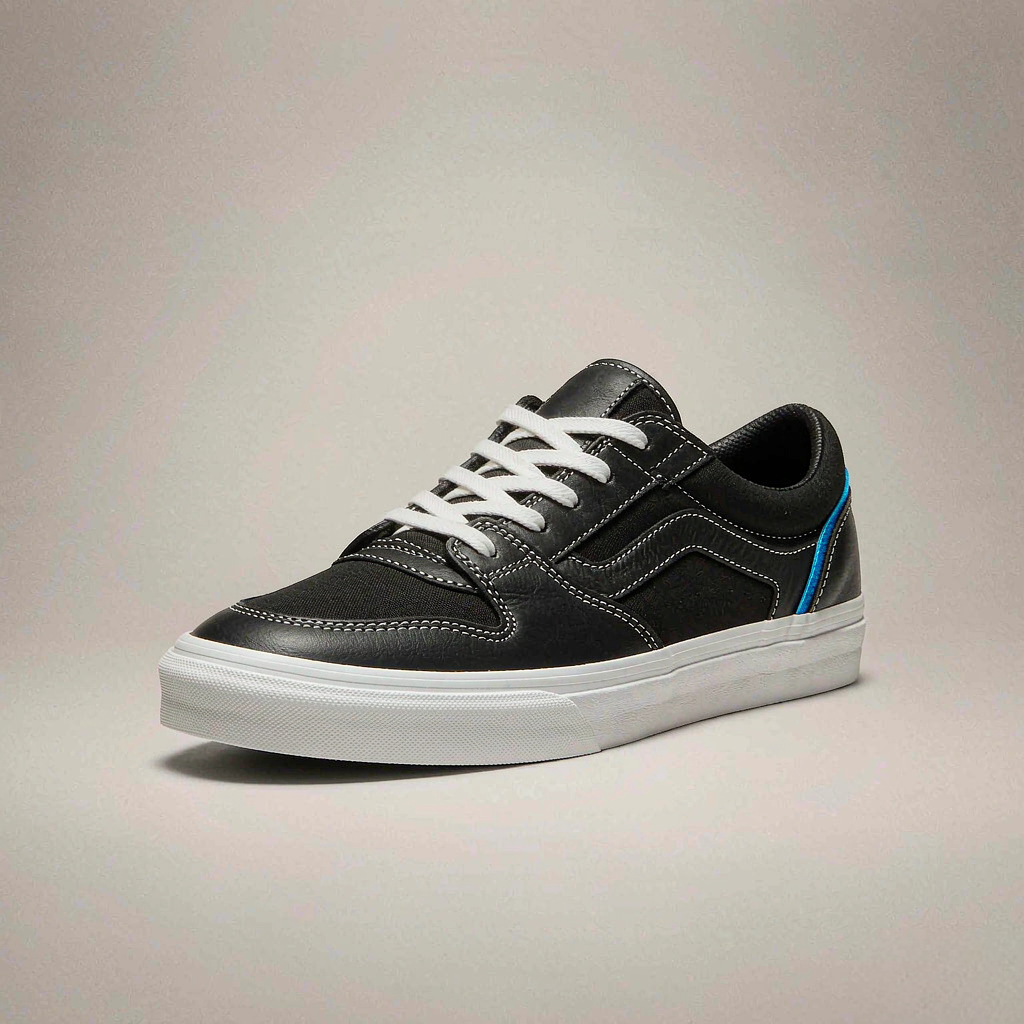
What to specify when ordering outsole molds—mold material, parting lines, drafts, ownership, revisions, and the questions to ask first.
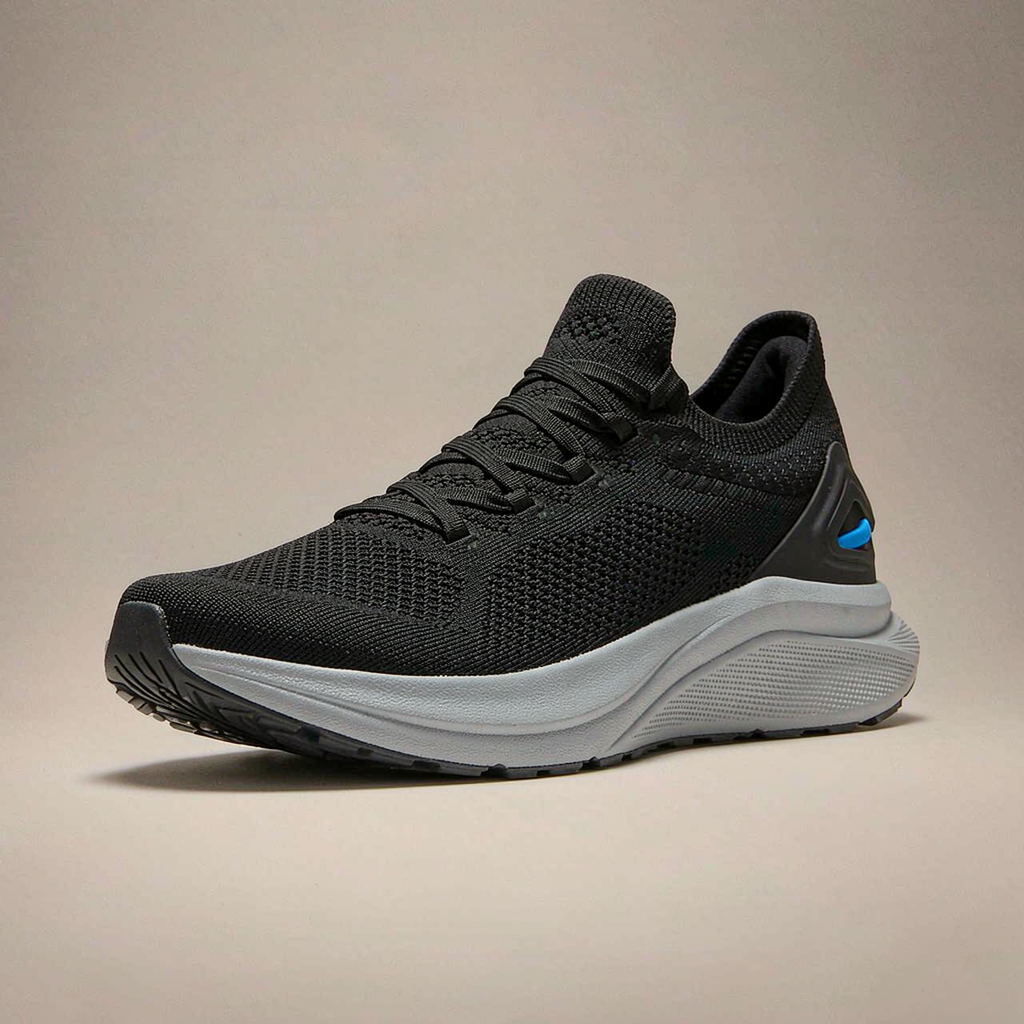
Injection, compression, and pour midsole molding compared—cost structure, MOQ behavior, surface finish, and how to pick by brand size.
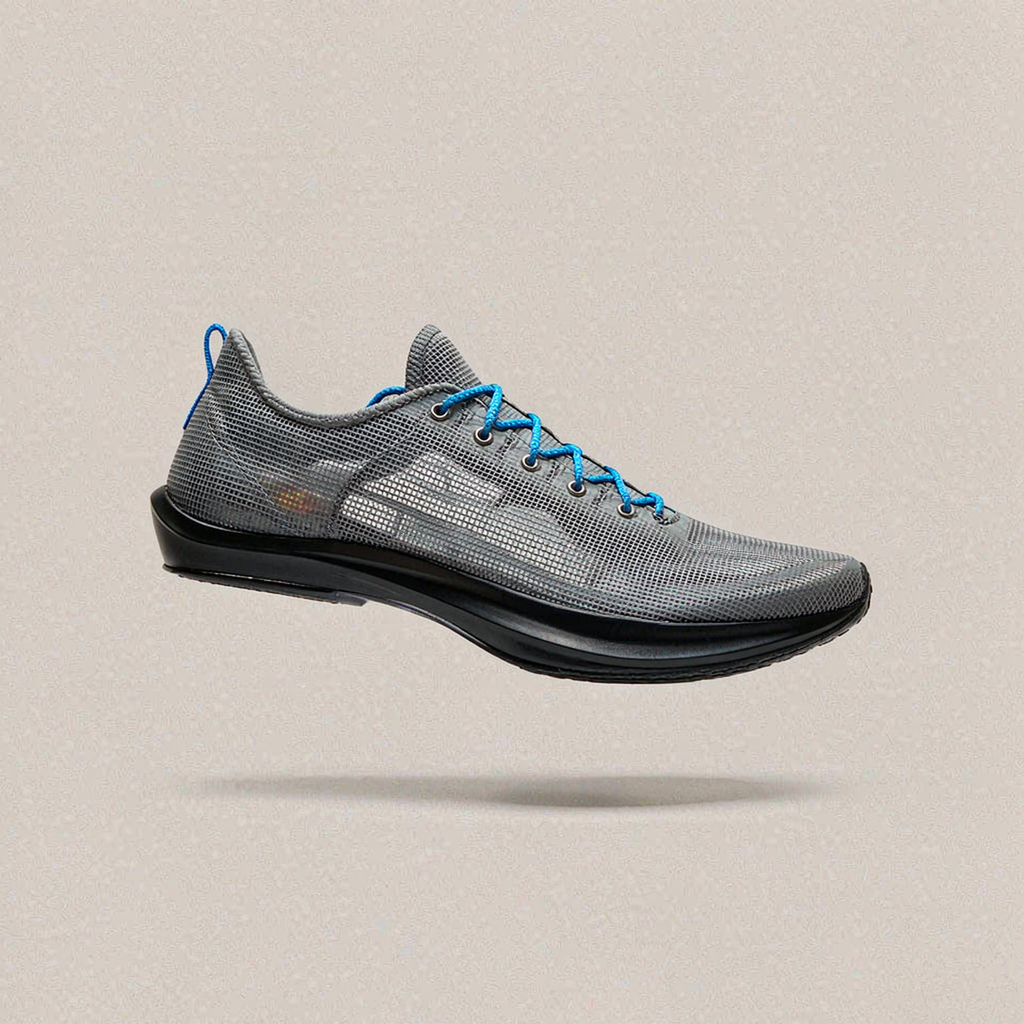
Cupsole vs vulcanized construction compared—feel, durability, cost, and MOQ differences, and how to choose for your sneaker line.
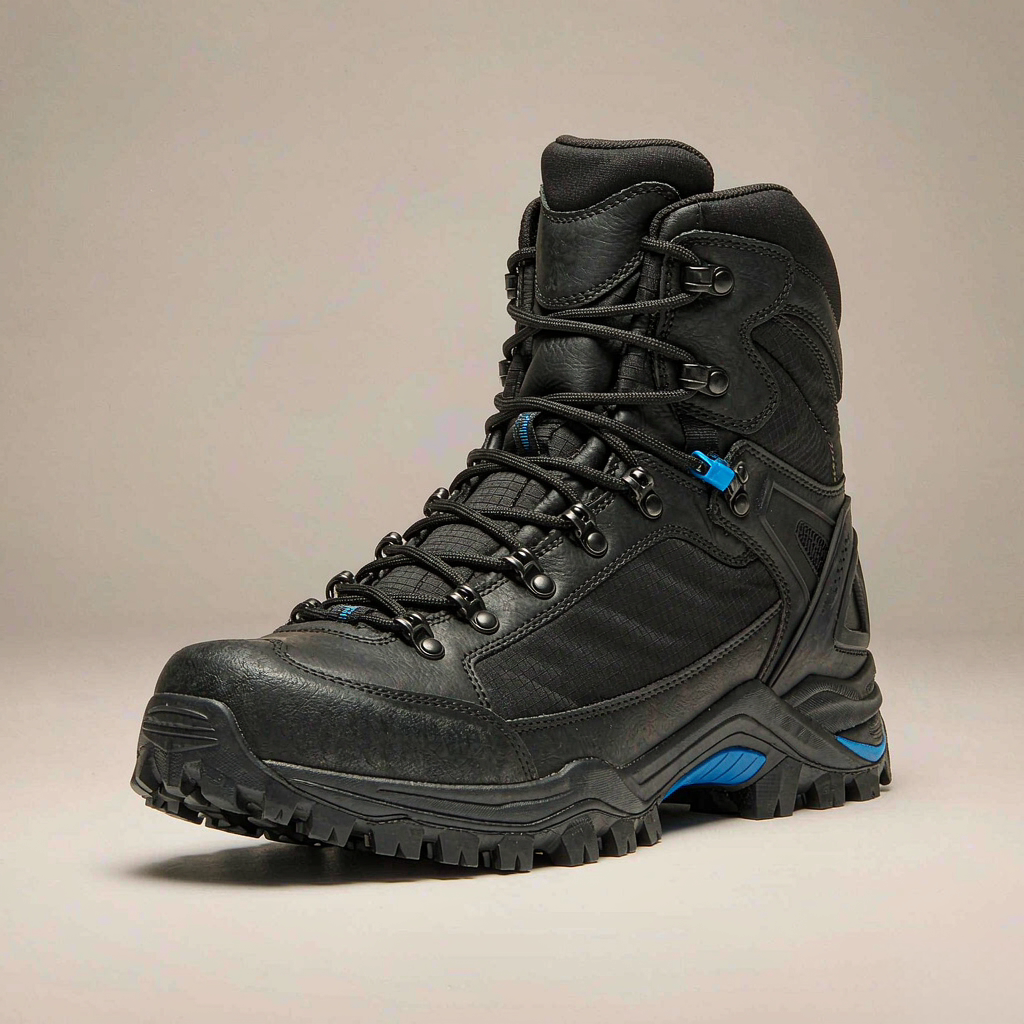
What torsion plates and shanks do in a sneaker sole, when your design needs one, and how to spec them with a factory.